

As you are faced with the passing of a loved one, the idea of planning a memorial service can feel daunting. Emotions run high, and the choices that lie ahead can be challenging. However, approaching funeral planning with compassion and thoughtfulness can create a sincere farewell while also alleviating some of the stress for family and friends. Grasping the steps necessary can help guide you through this challenging time and ensure that the wishes of your loved one are respected.
In this article, we will explore a variety of significant aspects related to funeral planning. From understanding the differences between various types of offerings to the emotional side of making plans, we aim to provide a supportive roadmap. This guide will provide you with the insight and resources needed to navigate the complexities of funeral planning, making the process a somewhat easier as you celebrate the life of someone special. By preparing in advance and being well-informed, you can create a meaningful tribute that reflects the individual personality and principles of your loved one.
Important Phases in Memorial Planning
When confronted with the passing of a dear one, the primary crucial action in funeral planning is to collect the required data and documentation. This comprises obtaining the certificate of death and any legal documents that might be required, including a last will or pre-arranged funeral arrangements. Knowing what you need will help streamline the process during a challenging time. https://creamslice53.werite.net/empowering-loved-ones-an-comprehensive-method-to-burial-planning is also helpful to determine who will be in charge for organizing arrangements and to communicate this with relatives to avoid confusion.
Next, reflect on the wishes of the departed regarding their memorial service. This step can involve looking over any documented wishes they may have provided, consulting with family members, or speaking about their desires directly if possible. Knowing whether they preferred a interment or ashes scattering, a classic funeral service or a celebration of life, allows families to celebrate their loved one’s memory while ensuring that their desires are fulfilled.
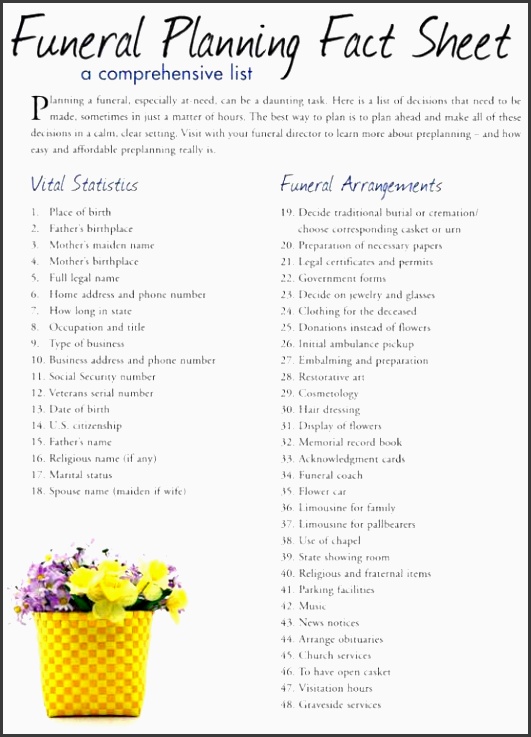
In conclusion, it is crucial to establish a financial plan for the costs of the funeral. Funeral planning costs can vary widely, so having a clear idea of what you can afford will help inform decisions on offerings, caskets, and locations. Be sure to factor in costs for aspects like flowers, death notices, and any additional customization you wish to add. By arranging cost aspects upfront, families can focus on celebrating the legacy of their dear one without the burden of unexpected expenses later on.
Grasping Costs and Options
When arranging a remembrance, comprehending the expenses associated is essential for arriving at knowledgeable decisions. Memorial expenses can differ widely depending on numerous elements, including the kind of ceremony, burial or cremation choices, and additional services like memorial products or transportation. Loved ones should prepare by comparing costs at different mortuaries and asking for specific quotes, which help explain what specific offerings and items are included. This openness lets families to budget accurately and avoid unforeseen financial pressures in an already difficult time.
Investigating various funeral choices is equally crucial. Families can choose between traditional interment services, cremation, or celebration of life services, each catering to different wishes, cultural customs, and budget considerations. Although traditional burials may be costly because of costs related to coffins and grave sites, ashes scattering frequently provides a cheaper alternative. In addition, many loved ones now prefer tailored services, which can represent the departed's personality and passions, leading to distinctive and purposeful tributes without necessarily combined costs.
In the end, the best decision will depend on individual values, values, and financial circumstances. Engaging in candid conversations about these options with family members can ease the choices process journey, ensuring that the ceremony not only respects the legacy of the deceased but also matches with the relatives' monetary status. By taking proactive steps to comprehend both costs and options, families can traverse the complexities of memorial organization with greater ease and clarity.
Sentimental Aspects and Support
When confronted with the loss of a dear one, the psychological weight can be overwhelming. Grief manifests in various ways, and it is important to recognize these feelings while navigating the complexities of funeral planning. Rushing through decisions or avoiding conversations about preferences can add to the emotional burden, making it essential to set aside time to reflect on how to honor your loved one in a way that is meaningful. Allowing yourself to grieve and seek support from friends, family, or professionals can help ease the strain of this significant task.
Support systems play a vital role during this challenging time, whether they consist of family members, intimate friends, or counseling groups. Open communication about feelings and needs can encourage understanding and create a sense of shared responsibility in planning. It is important for families to collaborate, ensuring that everyone's voice is heard while also acknowledging personal coping mechanisms. When planning a funeral, think about including those near and dear, as their insights can lead to a more significant celebration of life.
Additionally, engaging resources such as mourning counselors or funeral professionals can be beneficial. These experts are prepared to guide families through the planning process and provide essential emotional support. They can also assist in clarifying choices, offer practical advice, and ensure that the planning aligns with traditionally-held or personal values. Pursuing this kind of assistance not only smoothes smoother decision-making but can also provide a comforting presence amid the emotional turmoil of loss.