

In recent years, tooth implants have emerged as a top choice for those wanting to restore their grins and recover their confidence after experiencing tooth loss. As advancements in dental technology continue to evolve, the processes surrounding implants and restoration have turned more accessible and successful. Whether you are weighing a one-tooth replacement or a total dental rehabilitation, understanding the basics of tooth implants is essential to making informed decisions about your mouth health.
This article will walk you through everything you need to know about tooth implants and restoration, from the step-by-step process involved to the different options available. We will discuss the advantages of selecting dental implants over conventional methods, what to expect during meetings, and how advancements in technology have transformed the field. With a blend of data, tips, and professional opinions, this article aims to provide a thorough understanding of how tooth replacements can function as a permanent answer to restore both practicality and visual appeal to your grin.
Key Information and Benefits of Teeth Implants
Teeth implants have revolutionized the way we approach tooth replacement. By attaching artificial teeth directly into the bone of the jaw, implants provide a solid base that resembles the function of genuine teeth. One important fact is that they integrate with the jawbone through a process called osseointegration, making them a permanent solution. Unlike old-fashioned dentures, which may slip or cause discomfort, dental implants offer firmness and improved chewing efficiency.
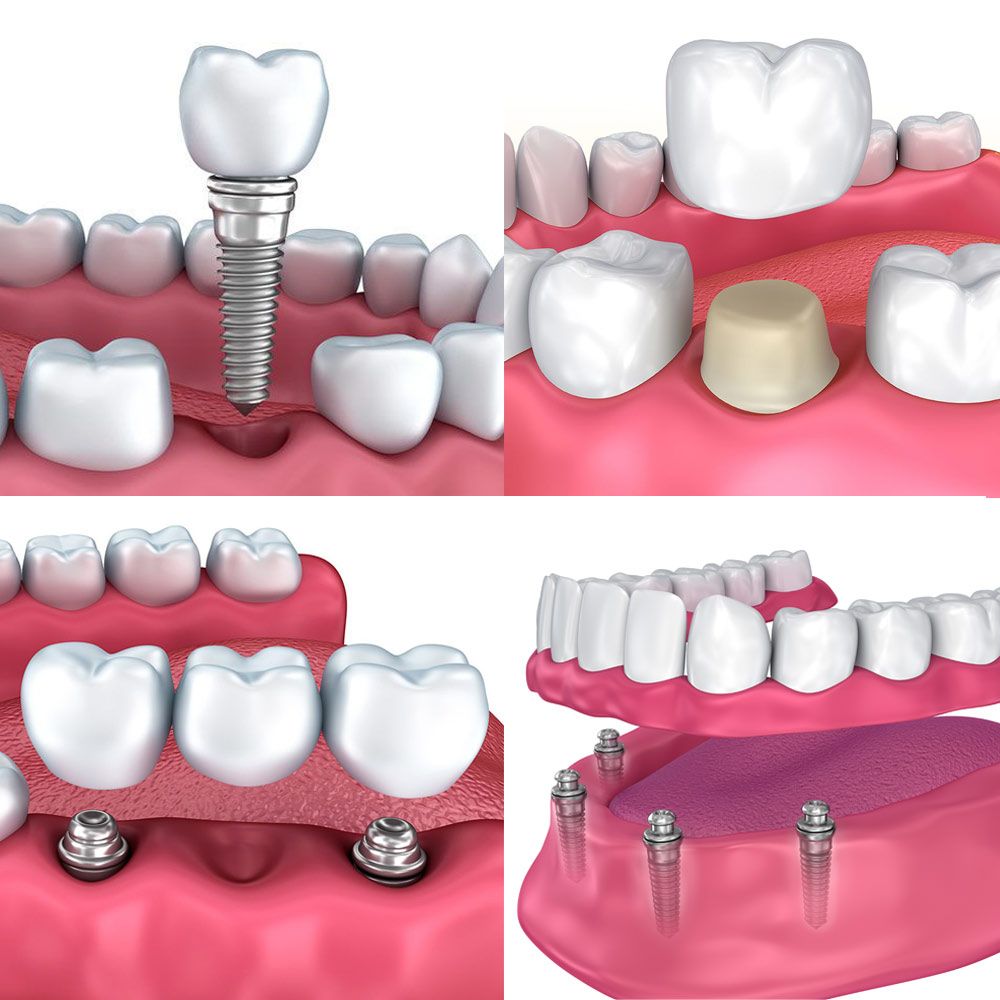
Another advantage of dental implants is their influence on oral health. They activate the jawbone, preventing deterioration of bone that can occur with lost teeth. This protection of bone structure is vital for maintaining facial aesthetics and preventing the hollow appearance that often follows tooth loss. Moreover, dental implants do not need changes to adjacent teeth, as seen with dental bridges, allowing for better oral hygiene and health.
Finally, dental implants can considerably enhance a person's confidence and overall quality of life. With a revived smile, individuals often experience enhancements in social interactions and emotional well-being. The ability to enjoy food without limitations and the assurance of a stable bite can lead to a more satisfying life. As dental technology continues to advance, implants present a dependable and effective option for those seeking a lasting solution to missing teeth.
This Implant Dentistry Process Explained
This implant process starts with a detailed consultation in which the dentist assesses the patient's oral health and discusses their treatment options. During this stage, imaging tests such as X-rays or 3D scans may be utilized to assess the jawbone condition and identify the optimal placement for the implants. Fixed Dental team and staff ensures that the procedure aligns with the patient's specific needs and sets the foundation for a successful outcome.
Once the consultation is complete and the patient is considered a suitable candidate, the operational phase can begin. This involves placing the titanium implant post into the jawbone through a small surgical procedure. The dentist provides local anesthesia or sedation to ensure the patient is at ease throughout the process. After the implant is implanted, it requires time to fuse with the bone, a process called osseointegration, which typically takes several months. During this recovery period, temporary restorations may be applied to preserve the aesthetic appearance of the smile.
After successful osseointegration, the final restoration process takes place. This involves attaching an abutment to the implant, which acts as a connector between the implant and the crown. Impressions are made to create a custom dental crown that closely resembles the natural teeth in color and shape. Once ready, the crown is securely placed on the abutment, finalizing the dental implant procedure. Patients can expect to leave the office with a completely renewed smile that enhances both function and appearance.
Contrasting Dental Implants and Other Solutions
When think about options for substituting missing tooth, tooth implants are superior against traditional solutions such as dentures and dental bridges. Unlike dentures, that can shift and cause discomfort, dental implants are anchored firmly into the jawbone, providing a stable and secure fit. Such https://kanstrup-newton-2.blogbright.net/recovery-and-completeness-the-advantages-of-oral-reconstruction enhances comfort but also boosts functionality, allowing individuals to bite meals in a manner comparable to they would with natural teeth. Additionally, implants stimulate bone growth, helping to maintain the jaw structure long-term, a factor that is a notable advantage over alternative tooth replacement choices.
Dental bridges are another common option for replacing one or multiple lost teeth. However, bridges necessitate altering neighboring healthy teeth to support the artificial tooth or teeth. This can compromise the health of those surrounding teeth, while dental implants do not impact adjacent teeth at all. Furthermore, bridges typically last around a decade to a decade and a half before needing replacement, while well-maintained dental implants can endure a lifetime, rendering them a more cost-effective long-term solution.
In conclusion, the decision between dental implants and alternative options such as dentures or bridges involves several considerations, including comfort, durability, and oral health. Although traditional solutions may offer a quicker fix for missing teeth, dental implants offer stability, support for jawbone health, and a natural appearance, thus becoming them a favored choice for many seeking a permanent solution to tooth loss.