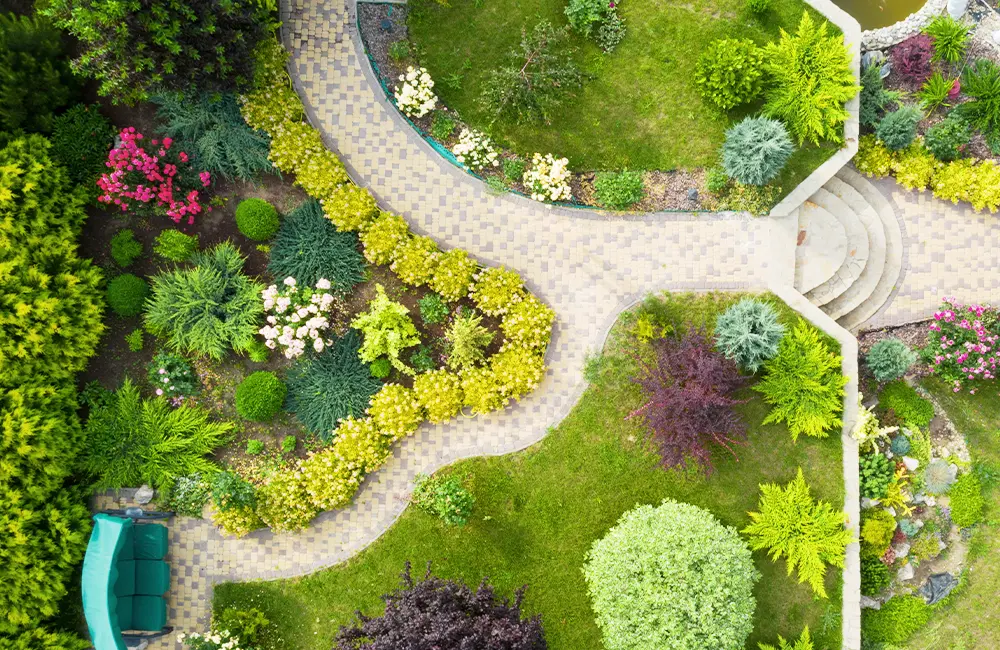
Transforming your landscape space into a gorgeous setting can be an exceptionally rewarding endeavor. If you are looking to develop a welcoming entryway that boosts your home's exterior charm or a peaceful outdoor haven for tranquility, the right landscape design can truly change everything. With each season bringing its own unique character, it’s important to think about how your design will adapt and flourish throughout the months.
In this article, we will look into the beauty of each season through various creative design strategies. From incorporating indigenous flora to employing hardscaping elements, we’ll lead you in designing a year-round outdoor oasis. Join us as we delve into the leading styles, practical tips, and knowledgeable advice that will assist you formulate a garden that not only displays your personal style but also enhances your home’s architecture and celebrates the natural landscape in each season.
## Crucial Yard Styling Suggestions
Crafting a gorgeous backyard begins with choosing the ideal planning elements that represent your personal style and fulfill your practical needs. One important concept is to incorporate a variety of vegetation which grow well in your climate, ensuring year-round beauty. Combining long-lived plants, one-year plants, shrubs, and large plants can form rich levels and structures, ensuring your outdoor space is vibrant through each season. As you are selecting vegetation, consider how they complement each other in terms of color and dimension, as well as their individual care requirements.
Bridging areas in your landscape planning can improve usability and visual appeal. One efficient way to achieve this is by incorporating hardscaping components like pathways, terraces, and retaining barriers. These components not only direct traffic through your outdoor space but also define zones for relaxation and socializing. Integrating substances that harmonize or contrast effectively with your dwelling's style can create a unified appearance while improving the general attractiveness of your garden.
In conclusion, think about the importance of garden illumination in transforming your space at evening. Careful illumination planning showcases notable aspects, including trees, water features, or installations, while also creating a inviting atmosphere. Utilizing a mix of task, ambient, and highlight light can enhance the pleasure of your landscape, letting you to delight in its charm well past the sun sets. Through carefully combining these features, you can create a garden that pleases throughout the year.
Techniques for a Low-Maintenance Yard
Creating a low-maintenance yard begins with deliberate plant selection. Select indigenous plants that thrive in your native climate and need little irrigation and upkeep. These plants are suitable to the soil and weather conditions, supporting a healthy ecosystem while minimizing the need for fertilizers and pesticides. Collecting plants with like watering needs together will also help preserve water and make maintenance easier.
Incorporating hardscaping elements can greatly reduce the time and effort dedicated to yard care. Features such as terraces, trails, and retaining walls not only contribute structure to your landscape but also cut down on the area that needs regular upkeep. Consider employing permeable materials for paths to enhance drainage and mitigate runoff. This fusion of hardscaping and strategic planting builds a balanced design that is both practical and aesthetically pleasing.
Finally, applying mulch is a key technique for achieving a low-maintenance yard. A thick layer of mulch helps keep soil moisture, manage weeds, and stabilize soil temperature. It also adds an attractive finish to garden beds. By putting down mulch frequently and maintaining it each season, you can create a gorgeous and practical outdoor space that requires limited intervention throughout the year.
Eco-Friendly and Affordable Options
Creating a gorgeous garden does not have to be expensive or harm the eco-system. One effective approach to designing a vibrant garden is to focus on local plants. These types of plants are intrinsically adapted to the area's climate and soil, needing less irrigation, fertilizers, and maintenance. By incorporating indigenous plants, you can create a vibrant garden that supports native wildlife while minimizing your environmental footprint.
Another sustainable solution is the use of hardscape elements made from reclaimed materials. Items like recycled brick, stones, or pavers can add charm to your landscape. They not only provide useful pathways and seating areas but also reduce the impact of new materials on the environment. Additionally, Helpful resources can create simple-to-maintain zones in your garden, enabling you save both time and money in garden upkeep.
Finally, think about implementing water-saving techniques to create a more sustainable and budget-conscious landscape. Trickle irrigation systems or rainwater harvesting can significantly lower water usage. Mulching around plants helps retain moisture in the soil, reducing the need for frequent irrigation. These practices not only contribute to eco-friendliness but also enhance your garden's overall well-being and aesthetic, making it a delight to spend time in year-round.