

In recent years, UAV surveys have surfaced as a game-changing resource in various industries, changing how data is collected and analyzed. With the potential to capture crisp photographs and precise metrics from novel airborne angles, drones are changing conventional surveying practices. This innovation is not only about productivity; it’s also about precision, safety, and economic viability, making drone surveys an essential tool for workers in construction, agriculture, property management, and more.
The use of drones is wide-ranging, with advantages that span to project planning, ecological assessment, and infrastructure inspections. By replacing cumbersome and potentially hazardous traditional surveying techniques with drone-based surveys, organizations can improve their processes while gaining valuable, usable data. As we investigate the potential of UAV surveys, we will examine their numerous advantages, the underlying technology, and the potential they hold for transforming data collection practices.
Key Advantages of Drone Surveys
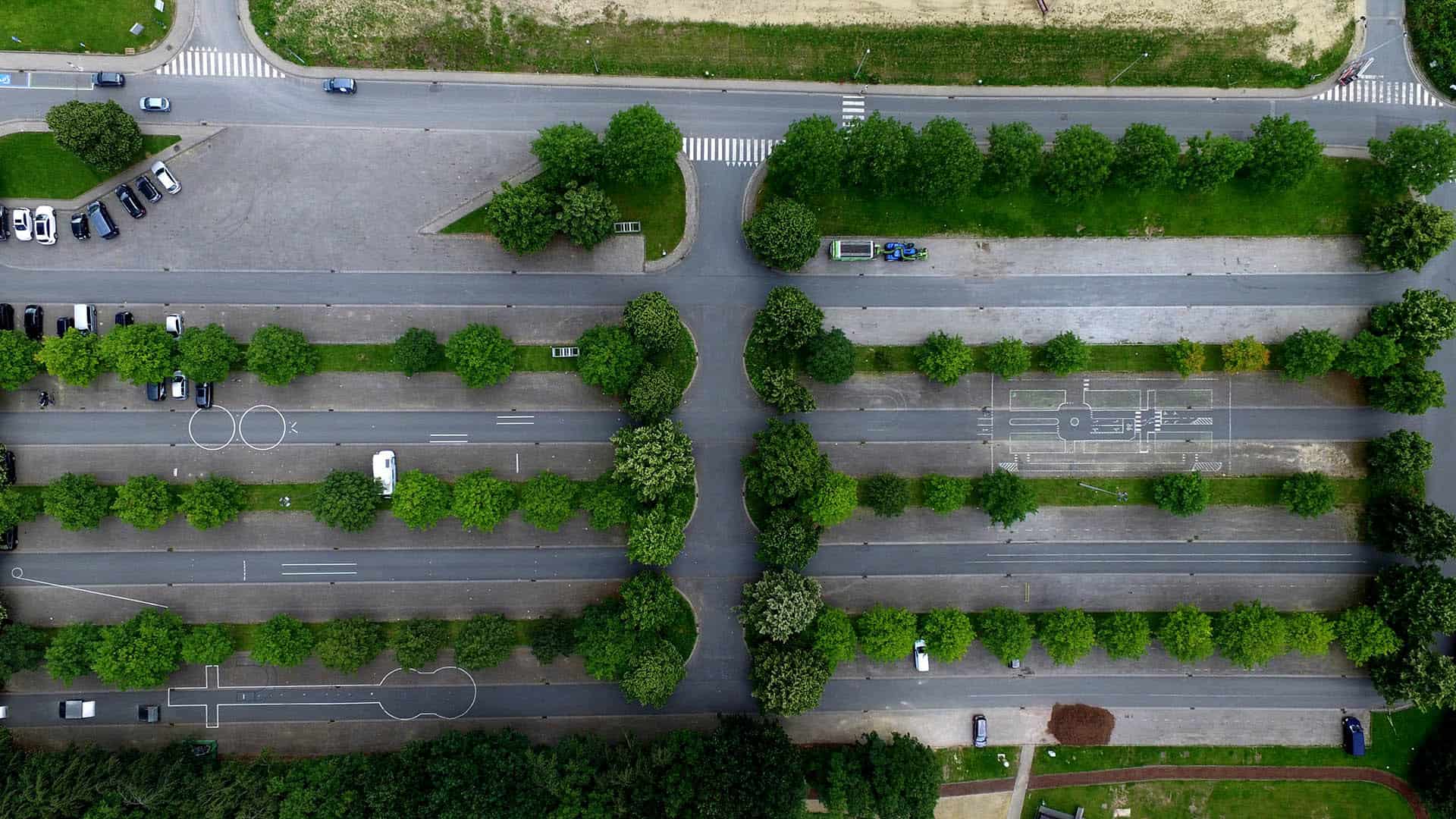
UAV surveys offer superior effectiveness in data collection compared to traditional methods. With the ability to cover large areas swiftly and obtain detailed imagery, drones substantially reduce the time needed for surveying projects. This speed not only shortens project timelines but also allows for timely decision-making based on up-to-date information. As a result, stakeholders can proceed with confidence, knowing they have precise data in a minimal of the time it would typically take.
Another significant benefit of drone surveys is the improved safety they provide, especially in hazardous environments. Drones can access difficult or dangerous areas without putting personnel at risk. Topographical Surveys Oxfordshire is notably valuable in industries such as construction, mining, and infrastructure inspection, where conditions can pose significant threats to safety. By minimizing human exposure to potential dangers, drone surveys establish a safer working environment while still delivering comprehensive data.
Cost savings are a critical advantage associated with the use of drone surveys. By simplifying the survey process and reducing the need for heavy manpower and equipment, projects can benefit from reduced operational costs. Additionally, the accurate nature of drone data minimizes the risk of costly mistakes, further enhancing financial efficiency. With lowered labor costs and enhanced accuracy, drone surveys are an cost-effective solution for a broad spectrum of applications.
Comparative Analysis: Drone vs. Traditional Methods
Traditional surveying methods often involve lengthy ground work, utilizing tools like GPS equipment that require on-site presence at various survey points. This approach is time-consuming and can lead to potential safety risks, especially in hazardous environments. Surveyors must navigate difficult terrains, which can complicate access and increase project costs. In contrast, drone surveys leverage drone technology to quickly and efficiently capture high-resolution images and data from a bird's-eye view, significantly reducing the time needed for surveying tasks.
The accuracy of drone surveys has improved remarkably with advancements in technology, utilizing photogrammetry and laser scanning to produce comprehensive topographical maps and models. Conventional surveys can also yield high accuracy but are limited by the physical limitations of equipment and the need for manual data collection. Drones can cover large areas in a fraction of the time, and with precise calibration, they can match or exceed the accuracy offered by conventional methods. This enhanced capability allows for better project planning and risk management.
Expense is another significant differentiator between aerial and traditional surveying methods. While the upfront investment in drone technology and training may seem substantial, the operational savings from lowered labor, faster data collection, and minimized site visits can lead to significant cost reductions in the long run. Traditional methods often incur ongoing costs associated with labor and equipment maintenance. Therefore, many industries are beginning to see drones as a viable alternative, simplifying their processes and enhancing overall efficiency.
Future Trends in Unmanned Aerial Vehicle Survey Technology
As drone tech keeps to progress, we can anticipate significant improvements in the accuracy, effectiveness, and adaptability of UAV surveying. Improved sensor technology and imaging technology will enable for richer data gathering, enabling surveys to collect intricate features that were once hard or unfeasible to assess. The combination of AI and ML algorithms will streamline data processing, making it quicker to analyze and understand the results while also enhancing the accuracy of predictive modeling.
Another disruptive trend is the development of larger drone fleets and swarm tech. This allows for simultaneous gathering over expansive areas, drastically cutting the time needed for extensive surveys. These drone swarm technologies can work together with one another to cover complex terrain efficiently, making them invaluable for industries such as farming, ecological oversight, and infrastructure assessments. This ability will not just conserve time but also provide more consistent data through backup systems and corroboration among multiple drones.
Finally, the evolution of regulations and laws surrounding UAV usage will pave the way for more widespread use in surveys. As government bodies adapt to the changing landscape, we can expect to see clearer standards that enhance safety and encourage creativity. This will lead to new applications of drone surveying in various fields such as emergency management, urban planning, and utilities management, ultimately broadening the reach and effect of drone surveys tech in the years to come.