

In the rapidly changing field of construction, vacuum excavation is swiftly garnering recognition as a significant advancement, particularly when it relates to its positive impacts on the environment. Traditional digging methods typically cause soil displacement, excessive noise, and a myriad of other environmental issues. In opposition, vacuum excavation stands out as a cleaner, more productive approach, minimizing the disruption to the surrounding environment while safeguarding that underground utilities stay unharmed.
The process employs a strong vacuum system to vacuum up soil and debris, successfully facilitating safe digging that protects the integrity of the site. This technique not only improves the safety and efficiency of construction projects but also significantly reduces the carbon footprint linked to conventional excavation practices. As we investigate the various ways vacuum excavation is innovating modern construction, it is clear that this innovative technique is not just about finishing work; it is about doing so with a deeper respect for our planet and its resources.
Comprehending Vacuum-Based Excavating
Vacuum excavation is a novel method of digging that utilizes high-powered vacuums to safely and quickly remove soil from earth. This technique has gained popularity in the past few years due to its non-invasive nature, which permits for careful excavation without the threat of affecting underground utilities or infrastructure. By utilizing air or water jets to break up the soil, vacuum excavation minimizes the consequence on the surrounding environment.
The process begins with the operator aiming a high-pressure hose to the specific area, which shifts the soil. The loosened earth is then promptly suctioned away by the vacuum system and stored in a debris tank. This method not only improves safety on construction sites but also hastens the excavation process compared to conventional digging methods that rely on mechanical tools and manual labor.
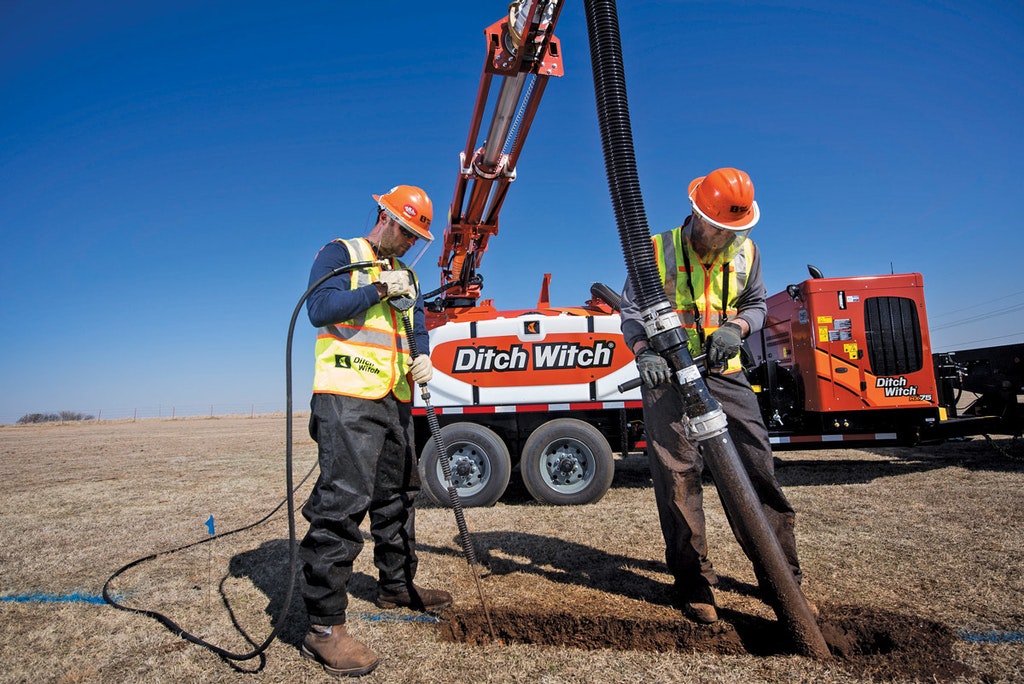
One of the primary benefits of vacuum excavation is its ability to preserve existing underground utilities, such as hydraulic, gas, and electric lines. By precisely locating and uncovering Find more information before construction starts, vacuum excavation helps avoid costly damages and service disruptions. This technology is especially beneficial in metropolitan settings, where buried infrastructure is often congested and complex, making conventional digging methods more hazardous and intrusive.
Benefits of Air Excavation
Air excavation offers multiple environmental advantages that significantly improve construction methods. One of the primary benefits is its ability to minimize soil displacement. Unlike traditional digging practices, which can lead to significant excavation and mess, air excavation uses a extraction system to gather only the essential amount of soil. This non-invasive approach protects the surrounding ecosystem, lessening the impact on plant life and wildlife, and maintaining the natural landscape.
Another important benefit is the minimization of spoil and debris. Suction excavation efficiently collects the excavated material, allowing for cleaner job sites and less waste. This not only diminishes the environmental footprint of construction activities but also cancels the need for extensive cleanup efforts afterward. With minimal debris left behind, surrounding areas remain undisturbed, fostering a more sustainable approach to digging.
Additionally, vacuum excavation significantly enhances the safety and integrity of underground utilities. By precisely locating and exposing utilities without jeopardizing damage, it lessens the chance of costly disruptions and hazardous situations. This preservation of existing infrastructure is crucial in urban environments where underground utilities are congested and intricate, thus ensuring safer and more efficient construction projects.
Applications and Future of Vacuum Excavation
Vacuum excavation is increasingly gaining popularity as the favored method for a variety of applications in the construction industry, infrastructure maintenance, and development in urban areas. Its versatility makes it suitable for installing utilities, potholing, and even landscaping projects. For https://creamslice53.werite.net/getting-to-the-root-the-importance-of-vacuum-excavation-for-eco-friendly , when laying pipelines or telecommunications infrastructure, vacuum excavation reduces damage to existing utilities, ensuring a more reliable and efficient procedure. This method is also ideal for jobs in restricted areas or cities, where traditional digging methods could cause significant interruptions and safety hazards.
In the future, the outlook of vacuum excavation is promising, especially with developments in technology. Innovations such as enhanced vacuum systems and enhanced GPS integration allow for higher precision and effectiveness on job sites. Additionally, the increasing focus on sustainability in construction means that vacuum excavation will likely see wider adoption as more contractors become aware of its environmental benefits, such as reduced soil disturbance and minimal waste generation. As regulations and community understanding around environmental impact increase, vacuum excavation offers a proactive solution for meeting these needs.
Moreover, as industries persist to adapt to challenges such as growing urban populations and deteriorating infrastructure, vacuum excavation will play a crucial role in enabling safe and successful planning of projects. Professionals across sectors are beginning to explore how vacuum excavation can improve existing methods and reduce delays in projects. Through continuous training and partnerships, the security and efficiency brought by this method will not just change construction practices but also contribute positively to care for the environment for future generations.