

Within the current complex economic landscape, grasping the subtleties of financial jargon can often feel daunting. Regarding handling your economic future, possessing a experienced financial advisor by your side can make all the difference. No matter if you're preparing for retirement, setting aside funds for a children's education, or navigating market fluctuations, a financial advisor can provide the knowledge and support you need to accomplish your goals. However what precisely does a financial advisor actually do, and in what way can you make sure you select the right one for your particular situation?
Our guide seeks to break down frequent financial terminology and concepts connected to financial advisers, aiding you to make educated decisions about your financial journey. From understanding the distinction between a financial advisor and a financial consultant to understanding when you ought to pursue professional guidance, we will explore essential aspects that can enable you to work effectively with your advisor. Together, we will explore the advantages of financial advising, the importance of credentials, and additionally how tech innovations is reshaping the field, all customized to offer you a clearer picture of what to anticipate in this essential partnership.
Understanding Financial Advisors
Financial advisors play a crucial role in helping clients and organizations administer their financial status. They serve as trusted professionals who provide guidance on a multitude of financial matters, including investment strategies, retirement planning, tax planning, and estate planning. By assessing their clients' financial situations, advisers assist in tailoring plans that align with their aspirations and risk tolerance, ultimately empowering them to make wise financial decisions.
Choosing the appropriate financial advisor is an essential step in realizing financial health. Potential clients should look for advisors who have suitable certifications and accreditations, as well as a legal responsibility to act in their benefit. It is also vital to consider the advisor's method to communication and the services provided, ensuring they correspond the specific needs of the client. This thoughtful selection procedure can lead to a rewarding and enduring client-consultant relationship.
The advantages of partnering with a financial adviser extend past mere investment recommendations. Advisers can help identify and manage risks in economic portfolios, create diversified investment plans, and handle the challenges of financial markets. They also provide ongoing financial education and routine reviews to evaluate progress and make necessary adjustments. In times of market volatility or major life changes, having a financial advisor can provide reassurance and valuable assistance, helping clients keep aligned toward their economic targets.
Choosing the Proper Adviser
Selecting the right financial adviser is important for guaranteeing that your financial goals are met. Start by determining what specific advice or services you seek, whether it be it’s managing investments, planning for retirement, or tax strategies. Research potential advisers thoroughly, checking their qualifications, expertise, and specialties. It’s essential that the advisor has a solid understanding of your personal financial situation and is prepared of providing tailored guidance that aligns with your objectives.
When figuring down your options, take into account the advisor’s fee model. Different advisors charge in various ways, including hourly rates, flat fees, or a percentage of assets under management. Select a fee model that is clear and aligns with your financial circumstances. Furthermore, check if the advisor operates as a fiduciary, meaning they are required by law to act in your favor, which can provide added confidence in their guidance.
Finally, don’t hesitate to ask questions during your first consultations. Inquire about their philosophies on investing, success stories, and how they will keep you updated about your portfolio. Pay attention to how well they communicate complex concepts and whether they take the time to comprehend your unique circumstances. Locating an adviser with whom you feel comfortable and assured can make a notable difference in your financial path.
Advantages of Working with a Financial Adviser
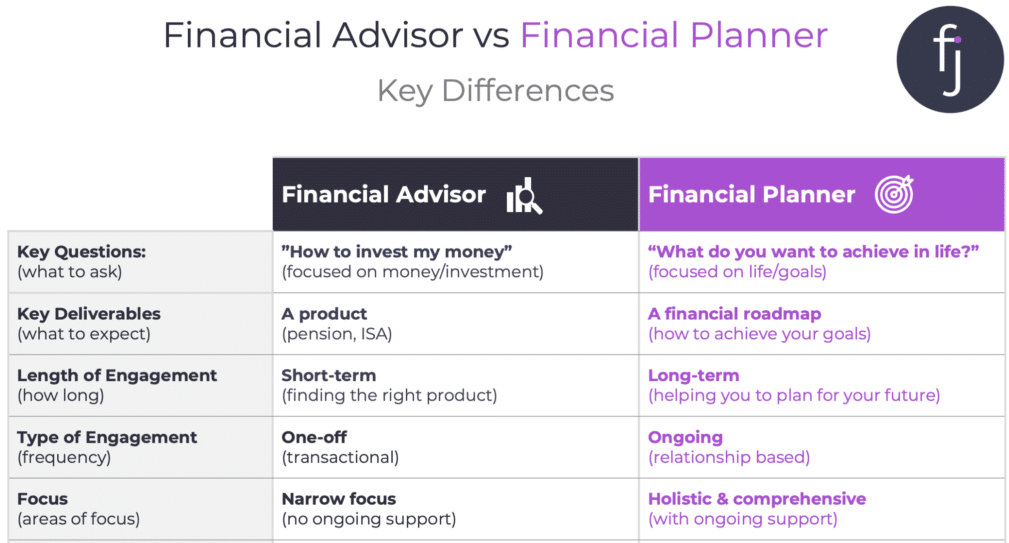
Partnering with a financial consultant can significantly enhance your financial well-being through customized guidance and professional knowledge. https://financialmanagementcornwall.co.uk in this field provide personalized strategies that align with your distinct financial goals, whether you are preparing for the golden years, saving for your children’s education, or managing complex portfolios. By evaluating your financial situation, they can identify opportunities and risks, enabling you to make informed decisions that foster financial security.
Another benefit of working with a financial consultant is their skill to streamline the often overwhelming process of financial strategy development. They take a complete view of your finances, aiding you structure and coordinate different elements, including investments, tax obligations, and estate planning. This comprehensive approach not only simplify your financial life but also ensures that all parts work together harmoniously, maximizing your opportunity for growth while limiting risks.
Additionally, financial advisers play a crucial role in keeping you responsible and aware, especially during periods of market turmoil or personal financial challenges. Their expertise aids in creating diversified investment strategies that can tolerate economic fluctuations. Additionally, regular reviews with your adviser promote proactive changes to your financial plan, ensuring that you keep on track toward achieving your long-term goals, irrespective of life’s challenges.