

In recent years, the construction field has undergone a remarkable transformation, with cutting-edge technologies driving efficiency and safety. One of the most significant advances is vacuum excavation. This non-invasive digging method is reshaping how the preparation of sites is approached, offering a multitude of benefits over conventional excavation techniques. From protecting vital underground utilities to enhancing job site safety, vacuum excavation is proving to be an essential tool in modern construction projects.
As metropolitan areas continue to expand and infrastructure demands grow, the need for precise and reliable excavation methods becomes increasingly critical. Vacuum excavation not only lessens disruption but also diminishes the risk of financially detrimental mistakes that can arise from conventional digging methods. In this article, we will explore the many reasons why vacuum excavation is changing site preparation, examining its workings, safety advantages, and applications across various industries. By delving into this forward-thinking approach, we will uncover how vacuum excavation is paving the way for more productive and accountable construction practices.
Grasping Negative Pressure Dugging
Suction digging is a modern excavation technique that makes use of powerful suction devices to safely and quickly remove soil and debris from a construction site. This approach is particularly advantageous for exposing underground services free from the chance of damaging them. Suction digging uses either water or gas to shift earth, which is then suctioned into a collection tank, allowing for accurate digging with minimal interference to the surrounding location.
The procedure generally includes two main methods: water excavation and air vacuum excavation. Liquid excavation employs water jets to soften soil while at the same time vacuuming it away, rendering it suitable for less dense earth and more delicate environments. In contrast, air vacuum excavation utilizes high-pressure air to fragment the earth and remove debris. Each approach offers unique benefits, depending on the exact demands of the job and the category of dirt being removed.
One of the key pros of suction excavation is its non-destructive nature. This method notably reduces the chance of damaging existing infrastructure and infrastructure, which can lead to costly maintenance and project delays. As urban areas become increasingly populated and underground services more complex, suction excavation emerges as a vital tool for contemporary site-development endeavors, providing both protection and efficiency in building preparation.
Safety and Ecological Advantages
Vacuum excavation significantly improves security on building sites by minimizing the risk of accidents and injuries. Traditional excavation methods often involve heavy machinery and manual labor that can lead to hazardous situations. In contrast, vacuum excavation uses suction technology to remove soil and debris, lowering the likelihood of strikes against subsurface services. This innovative approach not only shields workers but also creates a safer environment for the public in proximity to the construction area.
Environmental benefits are also a key advantage of vacuum excavation. This method is non-intrusive to the surrounding ecosystem compared to conventional digging techniques. By protecting soil structure and reducing land disturbance, vacuum excavation helps maintain the integrity of nearby vegetation and reduces erosion. Additionally, the lower noise levels associated with vacuum excavation contribute to fewer disruptions in urban areas, aligning with ecological standards and regulations.
Moreover, vacuum excavation is particularly efficient in safeguarding underground utilities during construction projects. This gentle digging method allows for accurate location and mapping of utilities without the hazards associated with conventional excavating methods. By preventing accidental damage to water, gas, and electric lines, vacuum excavation not only avoids costly repairs but also safeguards essential services, leading to a greener approach to building and infrastructure upkeep.
Uses and Optimal Techniques
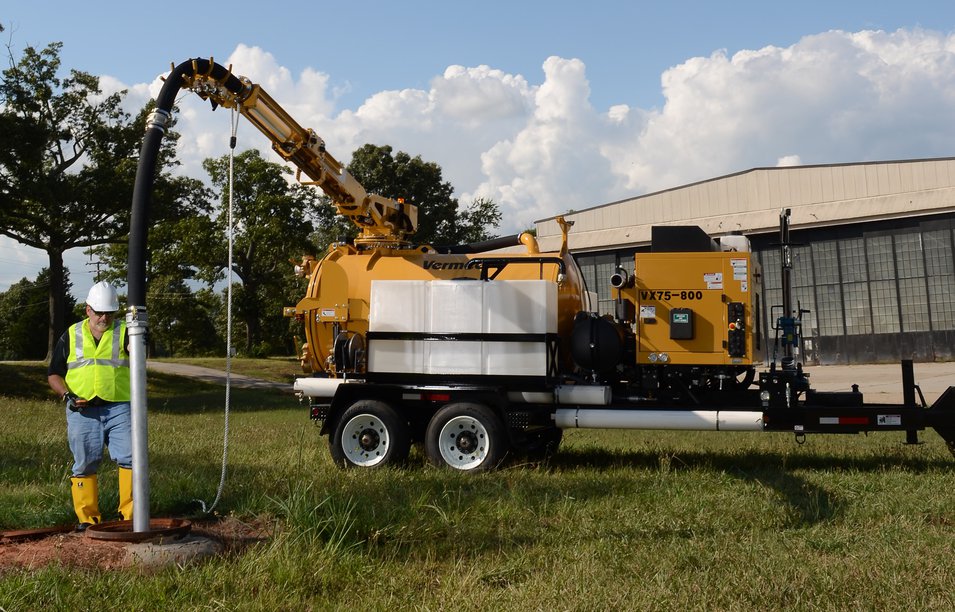
Vacuum excavation is progressively being adopted in diverse applications across the infrastructure industry. Typical applications include utility location, hole digging for exact excavation, and installation of pipes and communication infrastructure. Additionally, Find more info is well-suited for city projects where space is limited and preventing damage to pre-existing utilities is crucial. It is also suitable for drainage and sewer maintenance, where precision is necessary to guarantee proper flow and prevent blockages.
When carrying out vacuum excavation, adhering to best practices is important for maximizing safety and efficiency. Operators should receive appropriate training to operate the machinery and be aware of the site conditions. Planning the excavation process is also vital; this comprises obtaining essential permits and conducting utility locates to determine underground elements that may be affected. Frequent equipment maintenance and safety inspections can also reduce the risk of mishaps and costly delays.
Furthermore, keeping clear communication with all parties is critical. This includes informing site workers about excavation plans and potential risks. Setting up safety zones and ensuring that all personnel are informed of the excavation boundaries can mitigate mishaps. By focusing on these best practices, projects can benefit from the advantages of vacuum excavation while ensuring a secure and efficient work environment.