

Vessel ownership brings a feeling of liberty and excitement, but it also comes with the responsibility of maintaining your vessel. One crucial aspect of boat care that often goes unnoticed is the importance of having a high-quality boat cover. A correctly sized cover not only protects your boat from the elements but also extends its durability, keeps it looking good, and ultimately saves you money on fixes and maintenance. In this manual, we will explore all you need to know about DIY boat covers, ensuring that you design a custom solution tailored to fit your particular needs and the distinctive characteristics of your boat.
Whether you're a experienced boat owner or new to the scene, the realm of boat covers can be confusing with options ranging from fabrics to designs. With considerations such as water resistance, UV protection, and the appropriate fit, it is crucial to understand how to select the best cover for your boat. From discussing the differences between custom and universal covers to maintaining your cover for longevity, our detailed guide will provide valuable insights and tips. So, if you're ready to protect your investment and enhance your time on the water, let’s explore the key aspects of designing the perfect boat cover.
Opting for a Right Boat Cover
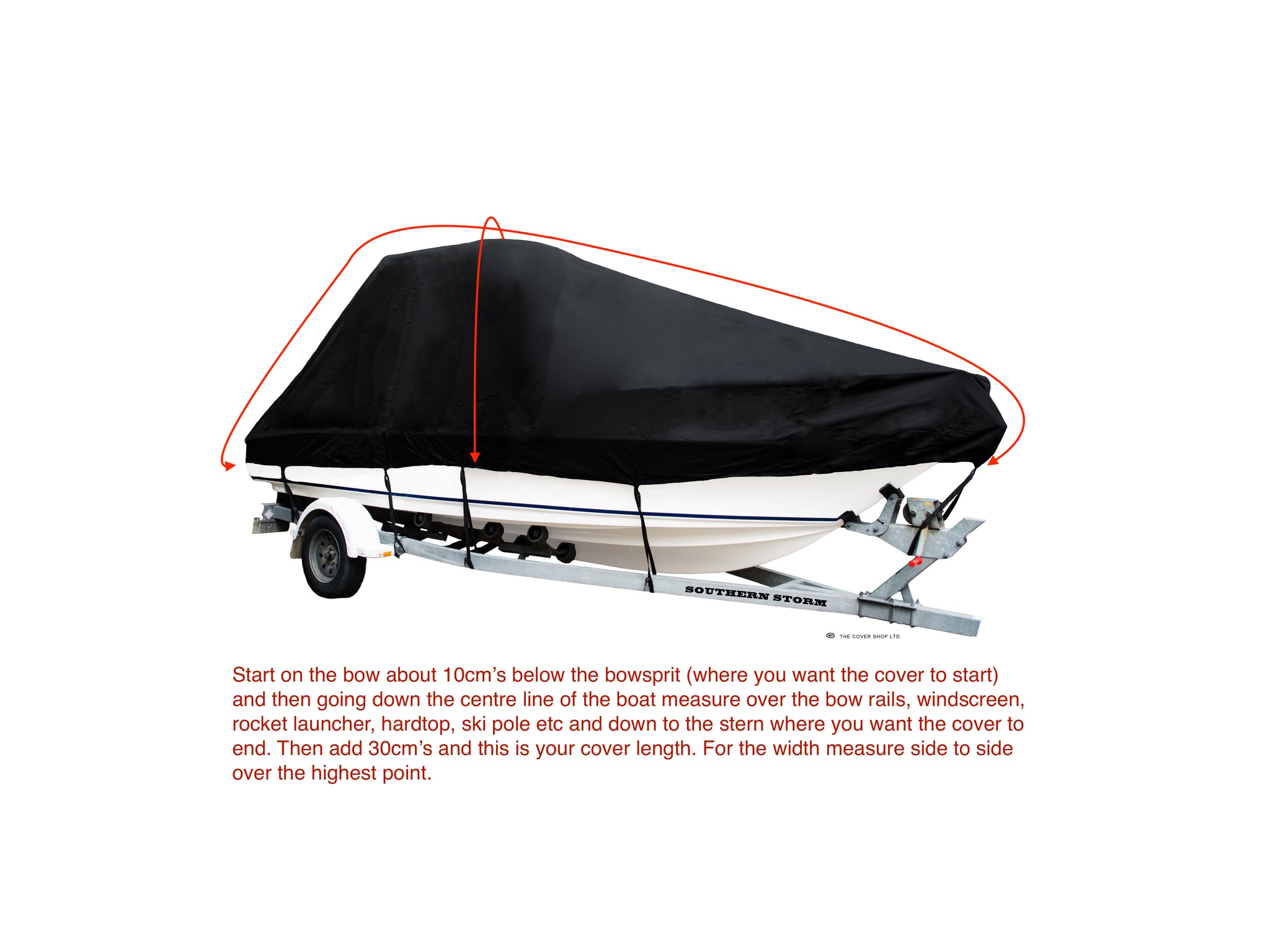
Choosing the suitable boat cover is essential for protecting your vessel from various elements. If you own a compact fishing boat or a large yacht, a appropriate cover will help shield your investment from rain, sun, and debris. There are various factors to think about when making your choice, including your size and kind of your boat, local weather conditions in your area, and your storage preferences. Spend the time to evaluate your needs to ensure you select a cover that matches perfectly and offers the protection you require.
One of the first steps in selecting a boat cover is deciding whether you want a custom or universal fit. Custom covers are tailored especially for your boat's size, offering excellent protection and a snug fit. However, they can be somewhat expensive and may require longer lead times for manufacturing. On the other hand, standard covers are generally budget-friendly and readily available but may not fit your boat as well. Consider the pros and cons of both option before making a conclusive decision.
Finally, consider the materials employed in your boat cover. Marine-grade fabrics such as polyester and heavy-duty fabric each have their benefits and drawbacks. Synthetic fibers is typically lighter, more water-resistant, and easier to handle, while canvas provides strength and superior UV protection. Additionally, investigate features such as venting systems and reinforcements in high-stress areas. Making an informed choice about materials will enhance your cover's performance and longevity, ultimately safeguarding your boat for years to come.
Boat Cover Upkeep and Attention
Adequate maintenance and attention of your boat cover are crucial for guaranteeing its durability & effectiveness. Consistently checking your cover for indications for deterioration and damage can be an beneficial practice. Look for frayed corners, rip, and areas where the stitching might be weak. Addressing minor problems immediately can prevent them becoming larger issues which need costly fixes and substitutions.
Washing your boat canvas represents another important aspect in maintenance. Depending on the material that your canvas is made of, you should use specific washing methods in order to prevent damaging it. Many canvas can be washed with gentle detergent & liquid. Use a gentle brush or sponge for carefully scrub away grime, fungus, & mildew. Following washing, rinse thoroughly to remove all detergent residues before allowing the canvas to dry fully to avoid any moisture accumulation.
Moreover, proper storage for your vessel canvas when not utilized may greatly influence its durability. Make sure that the canvas is entirely thoroughly dried prior to storing it away to store. Storing your canvas within a clean, dry space can assist in avoiding the development for fungus and spores. Consider using a breathable keeping bag in order to defend it against dirt and vermin, that will help maintain its condition and functional integrity over time.
Breakthroughs in Marine Cover Innovation
Recent advancements in boat cover design have made it easier for boat owners to protect their vessels while providing ease and functionality. Innovative materials such as lightweight yet durable fabrics are now available, incorporating attributes like water resistance, breathability, and UV protection. https://boatcoverslancashire.co.uk/best-boat-cover-lancashire/ improve the longevity of the covers but also make them more convenient to handle and store when not in use. Additionally, some companies are utilizing advanced fabrication techniques that allow for seamless construction, reducing weak points that could lead to wear and tear.
Tailored designs are another key trend in boat cover innovation. Some manufacturers now offer online tools that allow boat owners to input specific measurements and preferences, leading to tailored covers. This ensures a precise fit that can adequately protect against the elements while considering unique features of different boats. Furthermore, the incorporation of smart technology, such as built-in sensors that monitor moisture levels under the cover, is becoming as a way to enhance protection and maintenance awareness for owners.
Sustainability is also becoming a central theme in boat cover design. Sustainable materials derived from recycled sources, along with manufacturing methods that minimize environmental impact, are gaining popularity among conscientious boat owners. This move toward sustainable practices upholds quality or durability; instead, it aligns with a growing demand for products that reflect environmental responsibility. As these innovations continue to progress, boat covers will evolve into a essential asset that combines functionality, protection, and sustainability for boat owners globally.