

Blocked drains are a common nuisance that can disrupt the flow of everyday activities in unforeseen ways. Whether it’s a kitchen sink draining slowly or a entirely obstructed shower drain, handling obstructed pipes can be frustrating and tedious. Unfortunately, many homeowners delay until a problem becomes severe before taking action, leading to high repair bills and disruptions.
In this article, we will explore unconventional methods and practical tips to fix drains successfully. From learning about the usual reasons of blocked pipes to covering preventive measures, you will gain important information that can reduce your time spent and costs. We will also look at the differences between DIY approaches and expert help, providing you with the insights to pick the appropriate approach for your situation. Let’s uncover the drain problems we face and discover creative ways to deal with them effectively.
Common Reasons and Mitigation of Clogs
Blocked drains are a usual household issue that can arise from various factors. One key factor is the buildup of grease and food particles in kitchen drains, often a result of incorrect disposal practices. Homeowners should refrain from pouring fats down the drain and instead dispose of them in a sealed bag. Regularly maintaining the strainer can also help stop food residue from accumulating and causing a clog.
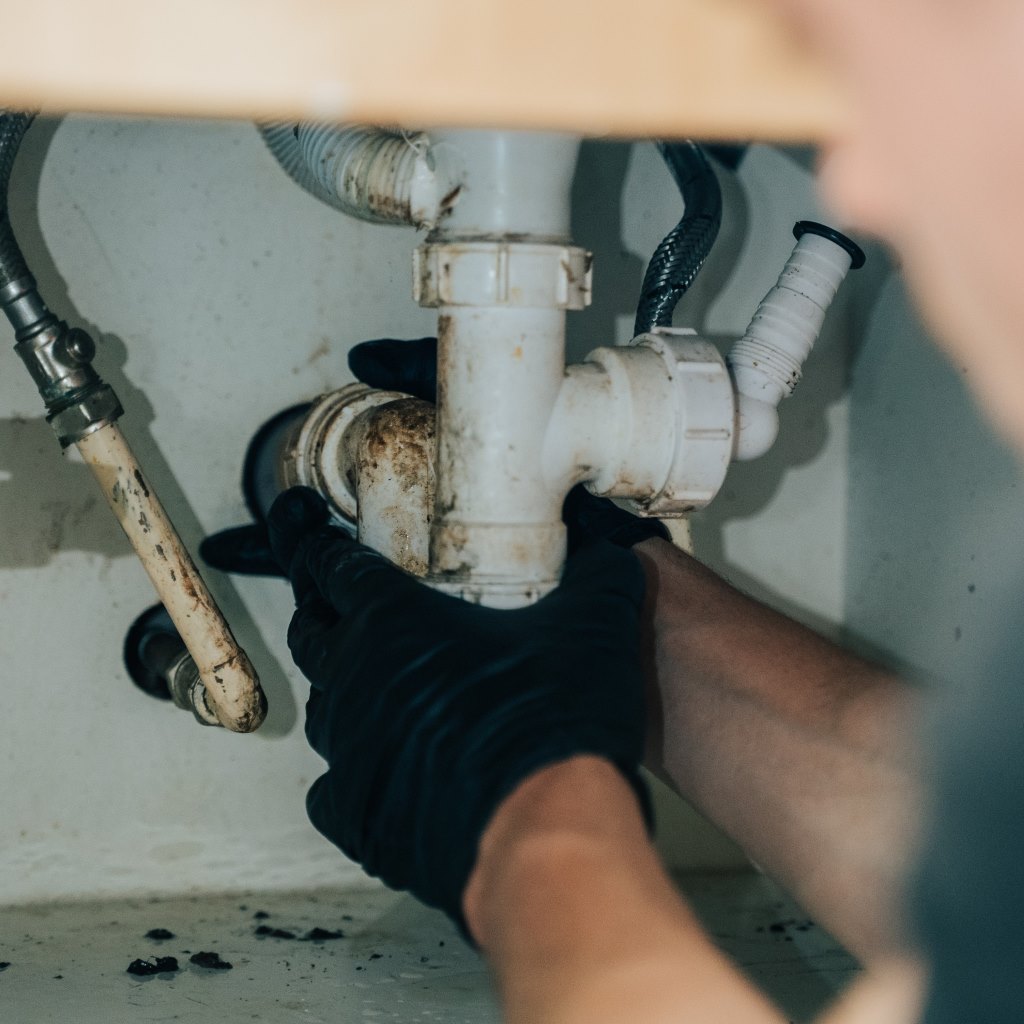
In bathrooms, hair and soap scum are common culprits behind blocked drains. Hair can easily knot and form a mess that restricts water flow. To prevent this, using drain covers can capture hair before it enters the plumbing system. Additionally, frequent cleaning with eco-friendly remedies, such as vinegar and baking soda, can help break down soap scum and keep drains flowing freely.
Other factors of clogs include foreign objects and scale, particularly in areas with hard water. Sometimes, tree roots can even penetrate pipes, leading to major blockages. Homeowners should be mindful of what goes into their drains and consider installing root barriers if tree roots are a concern. Regular upkeep, such as inspections and cleanings, can go a long way in preventing these issues before they escalate.
Do-It-Yourself Unclogging Techniques and Instruments
When faced with a blocked drain, many homeowners turn to DIY solutions before seeking professional help. Several easy instruments can assist in this task. A suction cup is one of the most effective tools for unclogging toilets and sinks. Its shaped form allows for a tight seal, creating force that can dislodge stubborn blockages. Another helpful tool is a drain snake, which can reach deep into drainage systems to remove tough clogs caused by hair and other obstructions. For more persistent blockages, a plumber's auger can offer an efficient solution.
Eco-friendly remedies are also common among those opting for gentler approaches. Baking soda and vinegar is a classic mix; when poured into the drain, they interact to dissolve minor clogs. Alternatively, Drain Unblocking Cockermouth Cumbria of hot water and salt can assist dissolve fat accumulation that often leads to slow drainage. These eco-friendly remedies provide a safer option compared to harsh chemical cleaners, which can damage pipes over time.
It's essential to maintain regular cleaning habits to prevent future clogs. Using a netted screen in sinks and showers can catch hair and food particles before they get into the drain. Additionally, periodically flushing drains with hot water can aid wash away residue that may accumulate over time. By utilizing these DIY methods and instruments, homeowners can tackle minor clogs efficiently and keep their drainage systems flowing smoothly.
When Request Specialized Assistance
Figuring out when to call a expert plumber is crucial to prevent further harm and costly fixes. If you've attempted various DIY techniques for unclogging your drain and it doesn't work, it may be time to look for specialized assistance. Indicators that you might consider specialized help include ongoing slow drains, repeated clogs in the same location, or sewage backup in your home. Such indications often suggest a deeper issue in the plumbing system that demands specialized tools and knowledge to resolve.
Moreover, if you notice unpleasant odors emanating from your drains or the water is discolored, it's a clear signal that specialized intervention is required. Such issues can arise from serious blockages, broken pipes, or possibly root infiltration, which are not typically manageable with standard home methods. Delaying to fix these problems can lead to more extensive damage, including structural issues or costly water damage.
Finally, if you suspect your drain issues might be related to a larger plumbing problem, for instance a failing sewer line or extensive tree root interference, it's important to contact a qualified plumber. They have access to advanced tools like drain cameras and hydro jetting equipment, which can effectively diagnose and resolve difficult issues that are beyond the scope of simple unclogging methods.