

In an age where catastrophes are becoming increasingly common, the importance of resilience in engineering cannot be overemphasized. Structural engineering plays a crucial role in ensuring that our buildings, bridges, and infrastructure are not only operational but also protected in the face of environmental challenges. The actions taken by structural engineers can mean the difference between destruction and survival during events such as tremors, inundations, and typhoons. This article explores the critical aspects of structural engineering that focus on preparing structures to endure such challenges.
Understanding what structural engineering entails is important for valuing the knowledge required to navigate complex design challenges. From the bases of tall buildings to the intricate details of overpasses, structural engineers are responsible for designing and assessing elements that contribute to the integrity and resilience of a system. As https://structuralengineersurrey.co.uk/ explore the various facets of structural engineering, we will highlight its evolution, breakthroughs, and the key trends shaping the prospects of this vital field. Whether it’s through advanced materials, modern software tools, or eco-friendly practices, the goal remains the same: to preserve lives and infrastructure while pushing the limits of architecture and construction.
Disaster Preparedness: The Role of Structural Engineers
Structural engineers play a critical role in ensuring the security and stability of structures and amenities against natural disasters. They are responsible for designing structures that can endure various stresses, such as quakes, hurricanes, and deluges. By employing advanced calculations and understanding material properties, engineers develop approaches that reduce risks associated with severe weather conditions and seismic activity. Their knowledge is vital in evaluating weaknesses and implementing design features that enhance the overall robustness of a structure.
Through cooperation with architects and other stakeholders, structural engineers help create comprehensive emergency response strategies. This includes conducting risk assessments that identify potential hazards and determining the structural requirements necessary to reduce damage. They utilize innovative techniques and advanced technology, such as three-dimensional modeling and simulation software, to predict how structures will respond under various catastrophic situations. This forward-thinking approach enables the integration of protective features from the inception of the planning phase.
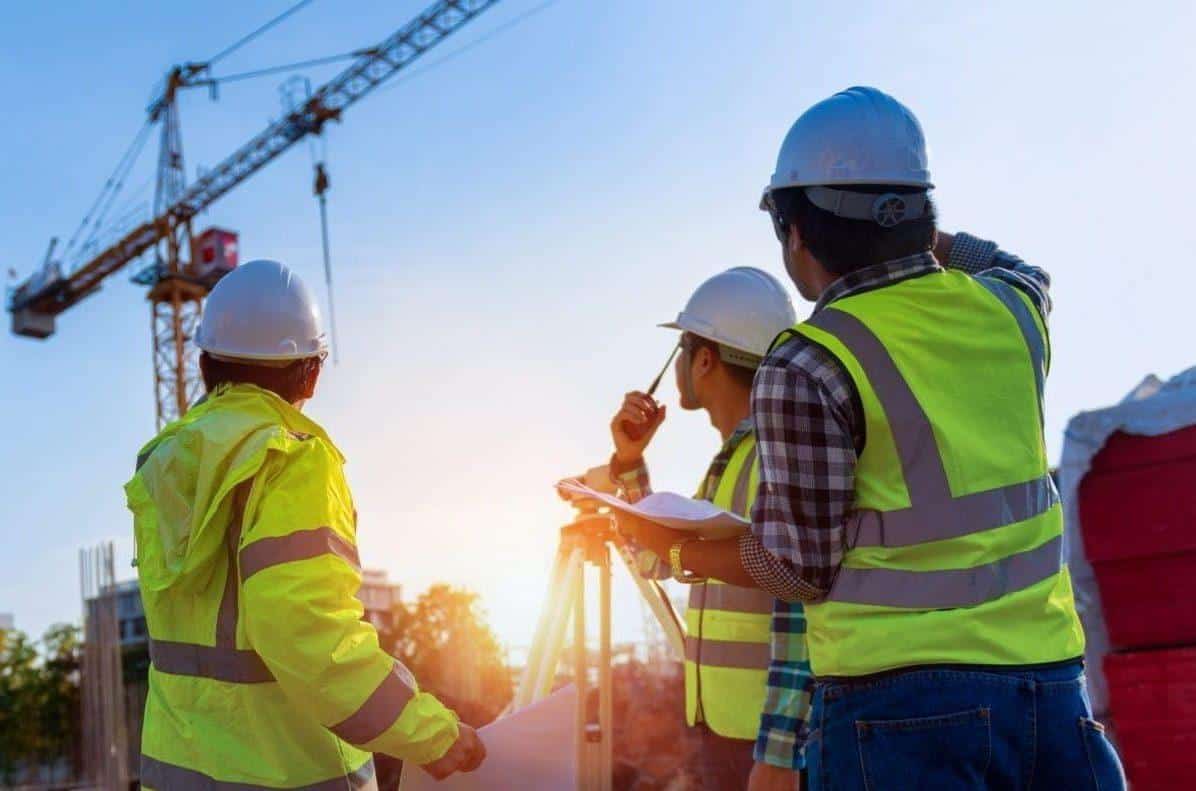
In addition to planning and planning, civil engineers also play a pivotal role in informing builders, property owners, and local populations about effective strategies for disaster readiness. They provide insights on the importance of strong walls, foundation security, and material choices, all of which contribute to a building's ability to endure catastrophic events. By promoting awareness and understanding of structural strength, engineers empower individuals and neighborhoods to take preventive actions, enhancing overall readiness and security.
Groundbreaking Methods for Earthquake Resistance
Latest advancements in building engineering have led to cutting-edge approaches that considerably enhance the seismic resistance of buildings. One notable method is foundation isolation, which involves positioning a adaptable bearing system between the structure and its foundation. This allows the building to relocate independently of ground motion, minimizing the stresses transmitted during an earthquake. Base isolators can successfully reduce damage by soaking up and spreading seismic energy, thus safeguarding critical structural elements and securing the safety of occupants.
Furthermore, innovative method is the use of kinetic energy-dissipating devices. These systems are embedded into a building’s framework and help to absorb and dissolve the kinetic energy generated from seismic activity. Common energy-dissipating devices include dampers, which can be made from materials like aluminum or elastomers. They are designed to bend or give way under stress, converting seismic energy into heat and minimizing the force on the overall structure. This technology has proven vital in multistory buildings and other challenging structures where conventional design methods may fall short.
Ultimately, advanced materials such as fiber-reinforced polymers and shape memory alloys offer significant benefits for earthquake-resistant design. These materials exhibit elevated strength-to-weight ratios and can recover their original shape after deformation, making them ideal for structures subject to seismic forces. Their application in reinforcement bars and composite structural elements improves the total resilience of buildings. As engineering practices continue to evolve, incorporating these materials is probable to lead to more secure and more flexible structures that can endure the obstacles posed by quakes.
Sustainability and Emerging Trends in Structural Engineering
As the world gradually confronts the pressures of climate change, environmental responsibility in civil engineering has become a critical focus. Engineers are now prioritizing the use of eco-friendly materials and practices to reduce the environmental impact of construction. For instance, the incorporation of recycled materials, sustainable wood, and minimal manufacturing processes not only saves resources but also reduces carbon footprints. Green building certifications like BREEAM are driving this trend, pushing structural engineers to develop in material choices while ensuring that safety and durability standards are met.
Looking ahead, trends in civil engineering are leaning towards advanced technologies that promote resilience and sustainability. The use of 3D modeling allows for better planning and resource allocation, enabling engineers to assess the environmental impact of structures before building begins. Moreover, new practices like modular construction and prefabrication are gaining traction, allowing for efficient use of materials and reduced waste. These developments promise to enhance both the environmental viability and resilience of structures in the amidst natural disasters and climate variability.
The future of structural engineering is also being shaped by the integration of smart technologies. Innovations such as monitoring devices and data analytics are enabling engineers to monitor the health of structures in real-time, providing insights that can lead to quicker repairs and preventive maintenance. This change not only helps in ensuring public safety but also increases the lifespan of buildings and infrastructure systems. By embracing these advancements, structural engineers are not only addressing present demands for sustainability but also paving the way for a resilient and resource-efficient future.