

Recently, the movement for sustainability has altered many dimensions of our daily lives, including the way we cook and heat our houses. Eco stoves have arisen as one of the most creative solutions in this green revolution. Designed to minimize Check out this site while maximizing performance, these stoves are not just about reducing pollution; they offer a spectrum of benefits that can enhance our lifestyles. From boosting indoor air quality to saving on energy bills, eco stoves symbolize a significant step toward a more sustainable future.
As property owners and green advocates seek to reduce their carbon footprints, the discussion between traditional and eco-friendly cooking methods has become increasingly relevant. In this write-up, we will explore what eco stoves are, how they work, and the multiple advantages they offer. We’ll also delve into the distinctions between eco stoves and their traditional counterparts, as well as the potential savings and benefits that come from making the change. Whether you are interested in embrace sustainable living or simply interested in upgrading your kitchen, eco stoves present an exciting opportunity to cook green while enjoying modern comforts.
Understanding Sustainable Heating Appliances
Eco stoves are specifically designed cooking devices that focus on green solutions while providing optimal heating and cooking methods. Unlike traditional stoves, which often rely on traditional fuels or poor burning practices, eco stoves employ modern technology and sustainable materials, such as biomass pellets or wood logs. This does not only diminishes reliance on non-renewable energy sources but also reduces pollutants, making them a healthier alternative for both indoor and outdoor cooking.
The core functionality of an ecological stove lies in its ability to enhance fuel use and reduce waste. Many modern eco stoves include advancements like secondary combustion, which allows for a thorough burning of materials. This method results in fewer emissions and increased thermal output, ensuring that you get the most energy from every piece of fuel or log. These stoves also have better insulation and temperature maintenance, which leads to a better culinary process and reduced energy use.
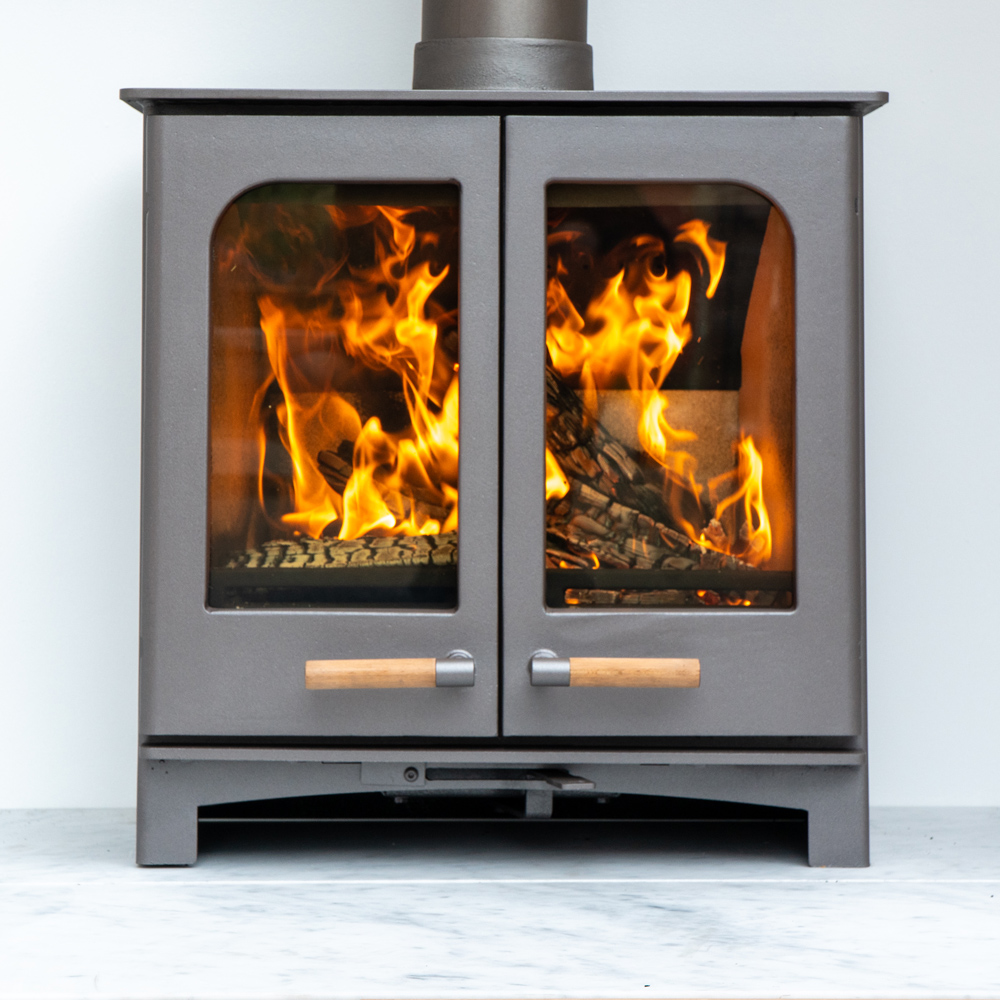
Switching to an ecological stove can markedly impact household energy expenditures and overall carbon footprints. By using efficient burning techniques and eco-friendly fuels, eco stoves help residents reduce money on fuel costs over time periods. Additionally, many eco stoves qualify for government incentives or rebates, additionally enhancing their value as an option for green-minded consumers. As issues about environmental impact and power consumption grow, eco stoves represent a progressive solution for contemporary lifestyles.
Benefits of Eco Stoves
Eco stoves offer a variety of advantages that extend past just visual appeal. One of the most significant advantages is their better energy efficiency. Unlike traditional stoves, which often waste energy and fuel, eco stoves are designed to utilize advanced technology that optimizes heat output while reducing fuel consumption. This efficiency not only helps homeowners save on energy bills, but it also means that fewer fuel is required for cooking, leading to a more sustainable lifestyle.
Additionally key benefit of eco stoves is their beneficial impact on indoor air quality. Many traditional stoves discharge harmful emissions and particulates into the home, which can lead to respiratory issues and other health concerns. Eco stoves are engineered to produce cleaner combustion, resulting in less pollutants released into the home environment. This is particularly important for families, as maintaining a wholesome living space is crucial for overall wellbeing.
Additionally, eco stoves contribute to a minimization in environmental impact, aligning with rising concerns about climate change. By utilizing renewable energy sources, such as biomass and pellets, these stoves help reduce carbon footprints and diminish dependence on fossil fuels. This transition not only benefits the environment but also supports eco-friendly living initiatives, making eco stoves an important choice for the eco-conscious consumer.
Green Stoves vs. Conventional Stoves
The differences between green stoves and conventional stoves go beyond mere aesthetics. Traditional stoves, often fueled by non-renewable energy sources or inefficient combustion techniques, tend to emit higher levels of carbon monoxide and other pollutants. In contrast, green stoves are designed with superior burning technology, allowing them to burn fuel more efficiently and with reduced emissions. This not only minimizes harmful emissions but also enhances better air quality in and around homes.
Another key aspect lies in fuel efficiency. Standard stoves can consume a considerable amount of fuel for restrictive heat output, resulting in increased energy bills. Green stoves, on the other hand, utilize state-of-the-art materials and designs that optimize heat retention and distribution, ensuring that homeowners get the best out of every unit of energy burned. Consequently, many users find that the initial investment in an eco stove provides savings over time through reduced energy costs.
Finally, the environmental impact of these stoves is a crucial factor to evaluate. While traditional stoves contribute to the loss of forests and greater greenhouse gas output, green stoves often use renewable energy sources like pellets, which can be sustainably sourced. This alignment with green practices makes green stoves a more appealing choice for those devoted to lowering their carbon footprint and advocating for environmentally friendly initiatives in their communities.