

Terrain assessments act a vital function in the preparation and implementation of building endeavors, acting as a foundation for both design and analysis. These detailed assessments provide essential data about the natural and artificial features of a site, including its shapes, heights, and topographical features. Understanding what a topographical survey is and why it is vital can greatly boost project results and effectiveness. Regardless of whether it's for housing developments, commercial locations, or large infrastructure projects, the insights gained from these assessments are invaluable.
In the current rapid construction environment, the precision and detail provided by topographical surveys are more important than ever. From discovering site constraints to guiding drainage design, the information collected can conserve time and money while ensuring adherence with regulatory requirements. As technology advances, the methods used in these assessments have also evolved, incorporating equipment like GPS, unmanned aerial vehicles, and laser measurement. In this piece, we will explore the various aspects of topographical assessments, including the circumstances they are necessary, their effect on project outcomes, and the significance of choosing the appropriate surveying company.
Understanding Terrain Assessments
Geographical assessments serve as detailed depictions of a piece of land that depict the geological attributes and terrain of the land. Such assessments record not only the elevations and depressions of the land but also the existing infrastructures, plant life, and other notable natural elements. Check out the post right here is crucial for many purposes such as building, property development, and ecological evaluations, providing a fundamental understanding of the location’s characteristics.
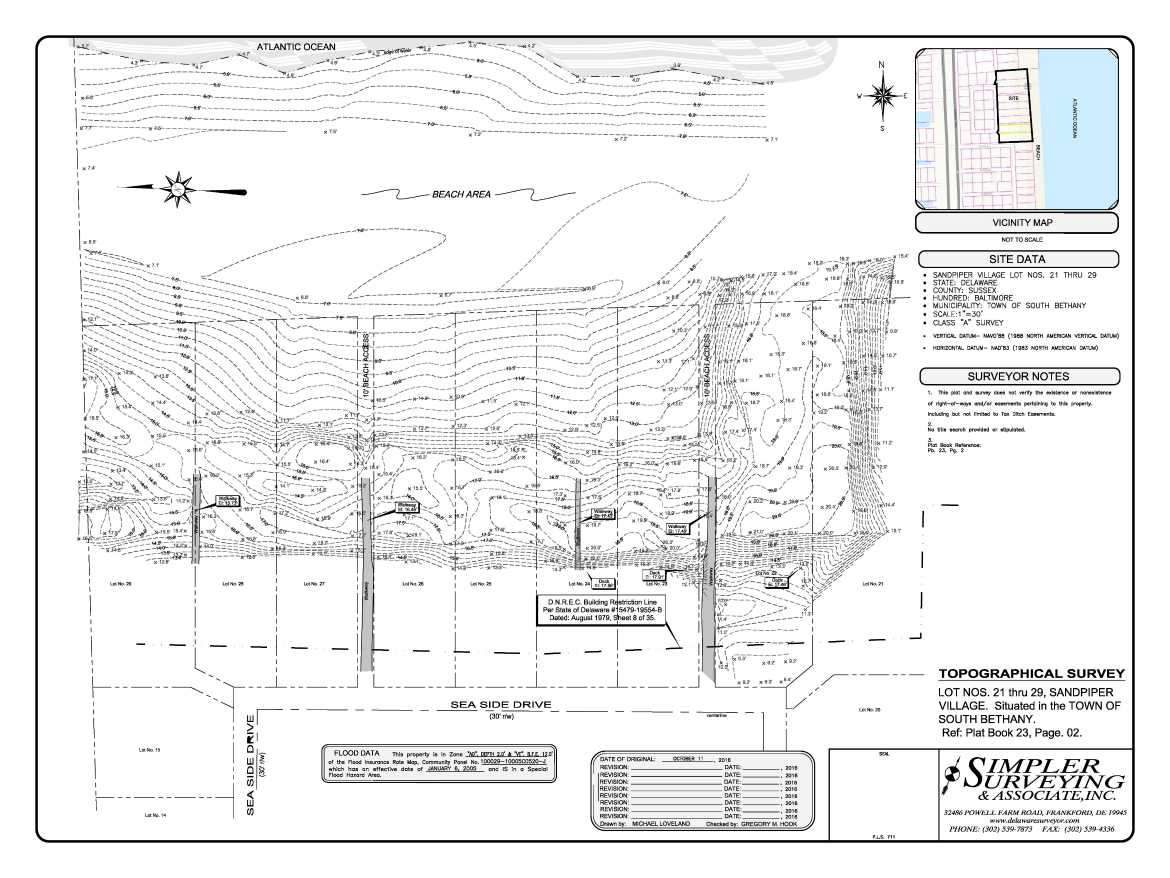
The importance of topographical assessments cannot be overstated, as they allow planners, technicians, and contractors to conceptualize the land's physical and constructed features. By comprehending the shapes and critical site features, project teams can efficiently design building plans, water management systems, and additional important aspects of development. https://magenta-magnolia-pk2ks2.mystrikingly.com/blog/beneath-the-exterior-the-science-of-land-mapping is necessary in avoiding expensive blunders and guaranteeing conformity with legal and environmental regulations.
Moreover, advancements in innovations have revolutionized the way topographical measurements are conducted. Using tools such as Global Positioning Systems, drones, and laser scanning has significantly improved the correctness and efficiency of data collection. These new methods enable faster assessments and offer high-resolution datasets that is crucial for informed planning throughout a project's lifecycle. As a outcome, geographical assessments have turned into an integral part of efficient planning and building, ensuring initiatives satisfy both planning and security requirements.
Importance and Uses
Terrain assessments are crucial for a variety of projects, playing a vital role in both planning and construction phases. They provide detailed information about the shapes and features of the land, which is essential for designers and engineers when designing buildings and infrastructure. By charting https://lowe-crowley-5.hubstack.net/ground-truthing-the-role-of-terrain-surveys-in-planning-projects , slopes, and physical characteristics of the site, these surveys help ensure that designs are workable and feasible, reducing the risk of costly revisions during building.
In addition to assisting in the design process, topographical surveys are crucial in obtaining planning approvals. Regulatory bodies often require this data to assess the possible impact of developments on the local community. An exact survey can help identify site constraints and mitigate risks, making it more manageable to navigate the compliance landscape and obtain the necessary permits for housing, business, or manufacturing projects.
Modern technology has enhanced the accuracy and effectiveness of topographical surveys, enabling professionals to utilize tools like Global Positioning Systems, drones, and laser scanning. These innovations not only save time but also enhance the precision of the data collected, making it easier to evaluate site conditions and strategize. Regular updates to surveys are also crucial as land attributes can change over time due to multiple influences, ensuring that projects are based on the most current information on hand.
Technological Improvements in Surveys
The incorporation of modern technology into topographical surveys has changed the manner data is gathered and interpreted. Improvements such as GPS systems, unmanned aerial vehicles, and laser scanning have enhanced the accuracy and efficiency of evaluations, allowing land surveyors to capture large spaces in a fraction of the time it historically took. These technologies not only deliver a thorough representation of the terrain but also document intricate aspects that would be hard to record through conventional techniques.
Unmanned aerial vehicles, in particular, have revolutionized survey methods by enabling skyward views and instant data gathering. Equipped with high-def cameras and LiDAR technologies, they can swiftly gather terrain information across multiple settings. This ability substantially reduces labor costs and field time while boosting the quality of the information collected. Moreover, the ability to develop 3D models and diagrams from aerial assessments assists in more informed decisions during the preparation stages of development tasks.
Laserscan technique complements these developments by enabling exact assessments of complex structures and geographies. It creates extremely precise digital representations that illustrate the surveyed region, which can be analyzed for multiple purposes, including property development and natural assessments. The merging of these tools allows for more informed project management, ensuring that potential issues are recognized and resolved early in the project, finally ensuring successful outcomes in building and land use.