

In a world progressively driven by technology, the value of hands-on learning remains unparalleled, particularly for youthful minds enthusiastic to unleash their imagination and critical thinking abilities. Magnetic blocks have surfaced as a transformative force in playtime, smoothly merging the delight of creating with learning opportunities. These multi-functional toys not just captivate children's imaginations but also deliver a platform for essential skills such as spatial awareness, collaboration, and creative problem-solving.
As parents and teachers seek efficient ways to engage kids, these toys stand out as the ultimate STEM toy. They invite children to experiment with forms, tints, and configurations while nurturing a passion for engineering. From indoor activities to joint classroom projects, the potential of these building sets is infinite, making them an essential tool for young children's development and a popular choice for playtime exploration. Whether it be constructing easy structures or tackling intricate design tasks, children understand by participating, turning playtime into an motivating journey of learning.
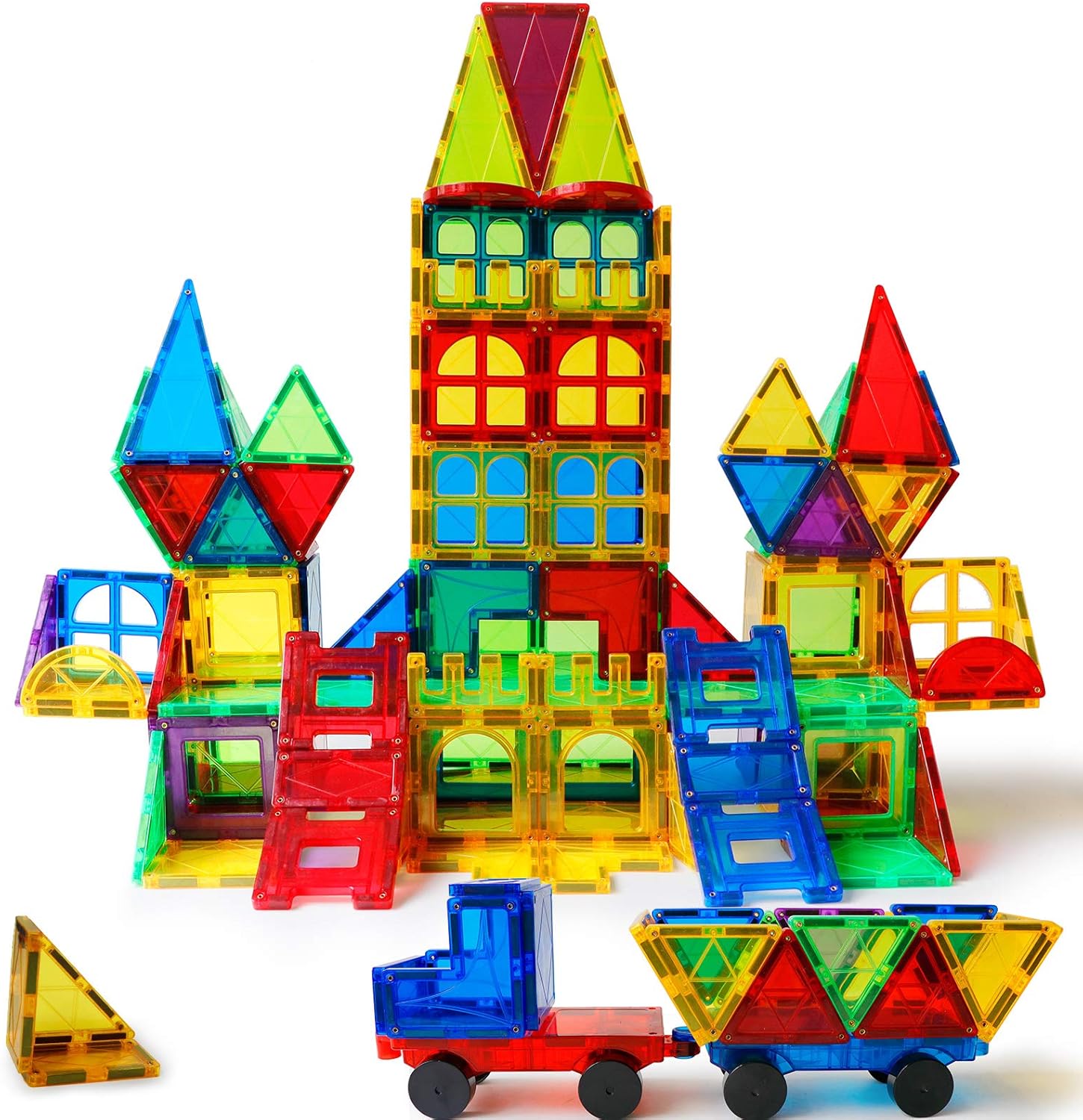
Innovative Exploration with Magnetized Blocks
Magnetic tiles provide a special space for children to explore their inventiveness while simultaneously building essential skills. With their bright colors and varied shapes, these products not only capture a child's attention but also promote unstructured play. Kids can build anything from simple geometric shapes to intricate structures, encouraging them to engage in critical thinking and take part in problem-solving exercises. This interactive experience nurtures an understanding of basic engineering principles and spatial reasoning as they experiment with equilibrium and stability.
In addition to promoting creativity, magnetized blocks serve as an valuable tool for joint learning. Children can work together to build bigger projects, enhancing their verbal and teamwork skills. This joint aspect also introduces young learners to the concept of sharing ideas and negotiating design choices, which is crucial for their interpersonal development. Parents and educators can further enhance this experience by introducing tasks or themed building activities, allowing children to put their skills to the trial in a playful and interactive way.
Magnetized blocks are also practical enough to be included into educational settings, making them a essential for both home and classroom learning. Teachers can use magnetized blocks to illustrate fundamental concepts in math, STEM, and tech, providing a tactile and visual learning experience. The attractive nature of these blocks means that students are more likely to remember information and show interest in STEM subjects. By bridging the gap between play and education, magnetic blocks create a dynamic learning environment that encourages exploration and creativity.
Benefits of Attractive Blocks in Child Development
Magnetized blocks present a unique opportunity for kids to participate in hands-on learning, which is vital for their cognitive development. As they handle these blocks to create various structures, kids enhance their spatial awareness and develop fine motor skills. The act of connecting and separating blocks demands precision and control, fostering dexterity that is helpful for tasks such as writing and using tools later in life. This physical interaction with educational toys strengthens developmental milestones in a stimulating way.
In addition to physical skills, attractive blocks are excellent for promoting critical thinking abilities. When faced with https://long-franco.mdwrite.net/activating-imagination-stimulating-imagination-with-magnetic-building-blocks of constructing a stable structure or a specific design, kids must analyze critically and experiment with different configurations. This trial-and-error process encourages perseverance and resilience, as they learn to conquer obstacles and adjust their ideas. Such activities nurture a sense of accomplishment and encourage kids to tackle more intricate projects, building their confidence in their problem-solving capabilities.
Furthermore, magnetic blocks support social development through collaborative play. When kids work in groups to create projects, they learn valuable skills such as communication, teamwork, and compromise. These interactions not only boost their social skills but also allow them to exchange ideas and learn from each other, enriching their playtime experience. Such collaborative sessions can nurture lasting friendships and teach kids how to manage group dynamics, contributing to their emotional and social growth.
Interactive Activities and Activities
Magnetic blocks offer a variety of exciting activities that stimulate creativity and learning. A fantastic way to introduce young minds to the world of magnetism and architecture is through building topic-based structures. For example, kids can create a tiny cityscape, complete with houses, streets, and parks, or even design their *own interpretation of iconic landmarks. website promotes imaginative play while educating them about spatial awareness and planning.
In schools, teachers can incorporate magnetic blocks into learning projects, such as engineering challenges or team-based group tasks. For instance, kids can work together to design a sturdy bridge that can hold a specific weight, fostering teamwork and problem-solving skills. Such projects not only render learning fun but also emphasize the importance of communication and cooperation among classmates.
Once the weather turns bad, magnetic blocks can transform indoor days into productive and enjoyable experiences. Families can set up friendly competitions by challenging each other to create the tallest tower or the most intricate structure in a limited time. These engaging games not only provide entertainment but also deepen family bonds and enhance children's confidence in their creative abilities.