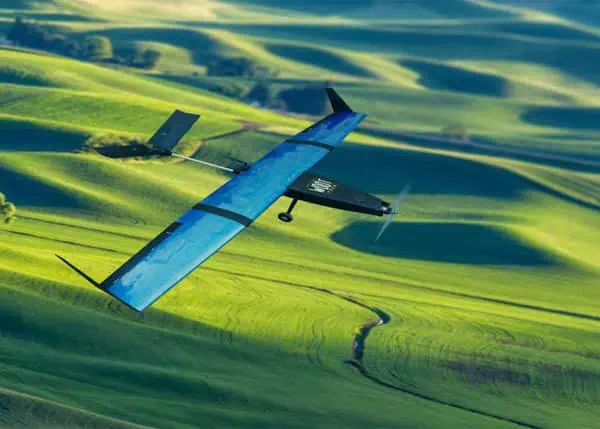
Over the past few years, the landscape of surveying and mapping has been fundamentally changed by drone technology. The power to capture high-resolution aerial imagery and precise data swiftly and effectively has made drone surveys an invaluable tool across multiple industries. From construction and land development to agriculture and environmental monitoring, the applications of drone surveying are wide-ranging and diverse. As more projects adopt this cutting-edge approach, grasping the benefits and features of drone surveys becomes important for professionals seeking to stay ahead in their domains.
This article explores the numerous advantages of using drone surveys for your upcoming project. We will investigate how these innovative surveying methods are reshaping the construction industry, enhancing correctness in topographical mapping, and providing a more secure alternative for inspections. We will also discuss how drones are saving effort and minimizing costs while improving project planning exactness. Whether you are involved in real estate, infrastructure, or agricultural planning, the knowledge provided here will highlight why drone surveys are a significant advancement in modern surveying practices.
Advantages of UAV Inspections
UAV surveys deliver several major benefits compared to traditional surveying methods. One of the primary significant benefits is the capability to span large areas swiftly and effectively. Unmanned Aerial Vehicles can collect sharp pictures and data in a short time of the time it would require a ground crew to carry out similar activities. This speed not only accelerates project schedules but also enables for more data collection, yielding timely information that can significantly aid in making decisions processes.
Along with swift operations, UAV inspections provide improved accuracy. Contemporary drones are loaded with sophisticated sensors and Global Positioning System systems that provide precise measurements and comprehensive geographical information. This level of precision is vital for industries such as building and property development, where even minor discrepancies can cause substantial cost overruns and project delays. The use of UAVs also lessens mistakes typically related to traditional surveys, thus improving the trustworthiness of the data gathered.
Savings are yet another convincing factor to look into UAV surveys. By cutting down the duration invested on-site and minimizing the manpower needed for information collection, companies can significantly lower their project costs. Furthermore, the thorough insights and data analysis offered by drone inspections can lead to improved asset allocation and planning, translating to further economic savings. Overall, the integration of UAV tech into survey methods does not only streamline processes but also enhances project performance and results. Drone Surveys Compared to Traditional Methods
Drone-based surveys represent a significant advancement over conventional surveying techniques, offering improved efficiency and accuracy. While conventional approaches often rely on ground-based measurements and extensive manpower, drones can quickly cover wide expanses, minimizing the time required for data collection. This efficiency not only enhances the surveying process but also allows for more often permits more updates and evaluations, making it easier to track changes over periods.
In terms of data quality, drones equipped with advanced imaging systems provide high-resolution aerial imagery and comparable data collection, often relying on less accurate tools or requiring extensive on-ground work. The photogrammetric techniques used by drones enable surveyors to create highly accurate maps, further enhancing the reliability of project planning and decision-making.
Additionally, drone surveys significantly enhance safety, particularly when surveying hazardous or difficult-to-reach locations. By eliminating the need for surveyors to physically access unsafe zones—such as steep slopes, unstable structures, or ongoing construction areas—drones reduce the potential for accidents and harm. This focus on safety, combined with the technological benefits, makes drone surveys a compelling alternative to traditional surveying methods for various applications.
Upcoming Trends in UAV Survey Technology
As UAV tech continues to evolve, we can look forward to significant advancements in surveying functions. The merging of artificial intelligence and ML techniques is set to revolutionize data analysis from UAV data collection. These advancements will facilitate faster analysis of large amounts of information, providing more accurate insights and forecasts. This evolution will improve decision making processes in different fields, including construction, agriculture, and environmental monitoring.
Another trend on the horizon is the evolution of drone equipment, resulting in higher precision and efficiency. With improvements in sensor technology, UAVs will be able to collect more information in a variety of conditions. For Setting Out Engineering Oxfordshire , the incorporation of multi-spectral and hyper-spectral cameras will allow for more thorough evaluations, providing critical information for farming strategies, land management, and environmental evaluations. These improvements will make UAV inspections an essential tool across various fields.
Finally, regulatory regulations surrounding UAV usage are anticipated to evolve alongside tech development. As business uses expand, governments and regulators will generally implement new policies to promote secure usage while promoting innovation. This will aid the adoption of drones into standard workflows, making UAV inspections more accessible and feasible for various uses. Consequently, as the technology matures and regulations evolve, the capability for UAV inspections will be limitless, creating new opportunities for exploration and productivity.