

As environmental issues continue to escalate, a multitude of homeowners are seeking practical solutions that are in line with sustainable living practices. One such solution that is becoming popular is eco stove, an appliance made to offer efficient heating and cooking while lowering environmental impact. However, what are eco stoves ? How do they work? These kinds of innovative appliances make use of advanced technologies and renewable energy sources to significantly reduce carbon emissions and energy consumption, thus making them an ideal choice for eco-conscious consumers.
Moving to an eco stove not only aids the planet but additionally presents numerous advantages for homeowners. From lower energy bills to improved indoor air quality, the benefits of these stoves go beyond environmental impact. As we examine the various aspects of eco stoves, including their features, installation, and comparisons to traditional stoves, it is apparent that embracing this small change can lead to significant long-term gains for both individuals and communities. Whether you're a seasoned environmentalist or just starting to consider greener options, the rise of eco stoves presents an exciting opportunity to contribute to a more sustainable future.
Benefits of Eco Stoves
Eco stoves bring many advantages that extend beyond mere convenience in cooking. One of the primary benefits is their efficiency in fuel efficiency. Eco stoves are designed to use less fuel than traditional stoves, which results in a notable reduction in energy costs for homeowners. By improving fuel combustion and reducing heat loss, these stoves ensure that each unit of fuel is utilized effectively, providing excellent cooking performance while being kinder to your budget.
Another key advantage is the advantageous influence eco stoves have on the air within the household. Many traditional stoves can release harmful emissions and particulate matter into the home, compromising air quality and potentially endangering the health of residents. Eco stoves, particularly those using innovative technologies, are designed to produce less emissions, significantly lowering indoor air pollution. This is especially crucial for families with children, the elderly, or individuals with respiratory issues, as it creates a more conducive living environment.
Lastly, eco stoves contribute to ecological balance, making them an important choice for eco-conscious consumers. By utilizing eco-friendly materials such as pellets or sustainably sourced wood, eco stoves help lower the carbon footprint of a household. This shift not only reduces reliance on fossil fuels but also promotes a more sustainable lifestyle. As society becomes increasingly aware of ecological issues, adopting eco stoves is a practical step toward creating a greener planet for the next generation.
Green Stoves vs. Traditional Stoves
While examining green stoves against conventional stoves, one of the most striking differences is found in their efficiency in energy. Environmental stoves are engineered to consume less fuel yet maintaining ample heat or cooking capabilities. Conventional stoves, often powered by fossil fuels, tend to consume more energy and produce larger amounts of greenhouse gases into the environment. This increased efficiency in eco stoves not only translates to lower energy bills but also a lower carbon impact, making them a more eco-friendly choice for houses.
An additional important factor to consider is indoor air quality. Conventional stoves release pollutants that greatly impact the air within a home. In contrast, green stoves feature cutting-edge combustion systems that reduce emissions, thereby creating cleaner indoor air. Eco Stoves Huddersfield is especially important for families with children, seniors, or those with breathing difficulties. By reducing indoor air pollution, green stoves contribute to better living conditions.
In conclusion, the materials and design of green stoves generally show an emphasis on eco-friendliness. Most green stoves are made from renewable or recycled materials and feature a longer lifespan than traditional stoves. This longevity is advantageous for consumers due to lowering the need for frequent replacements but also aids in minimizing landfill waste. Traditional stoves often do not prioritize sustainability, thereby making green stoves a more modern and ethical option for the eco-aware consumer of today.
Eco Stove Placement and Maintenance
Placing an eco-friendly stove requires meticulous preparation and consideration of area, exhaust, and energy sources. Commence by choosing a position that facilitates for proper airflow and access to the exterior for ventilation, especially if you are using a wood and pellet stove. It’s crucial to adhere to manufacturer's instructions and local laws to ensure protection and effectiveness. If you are uncomfortable with the setup process, employing a professional is a wise option to guarantee that everything is set up correctly.
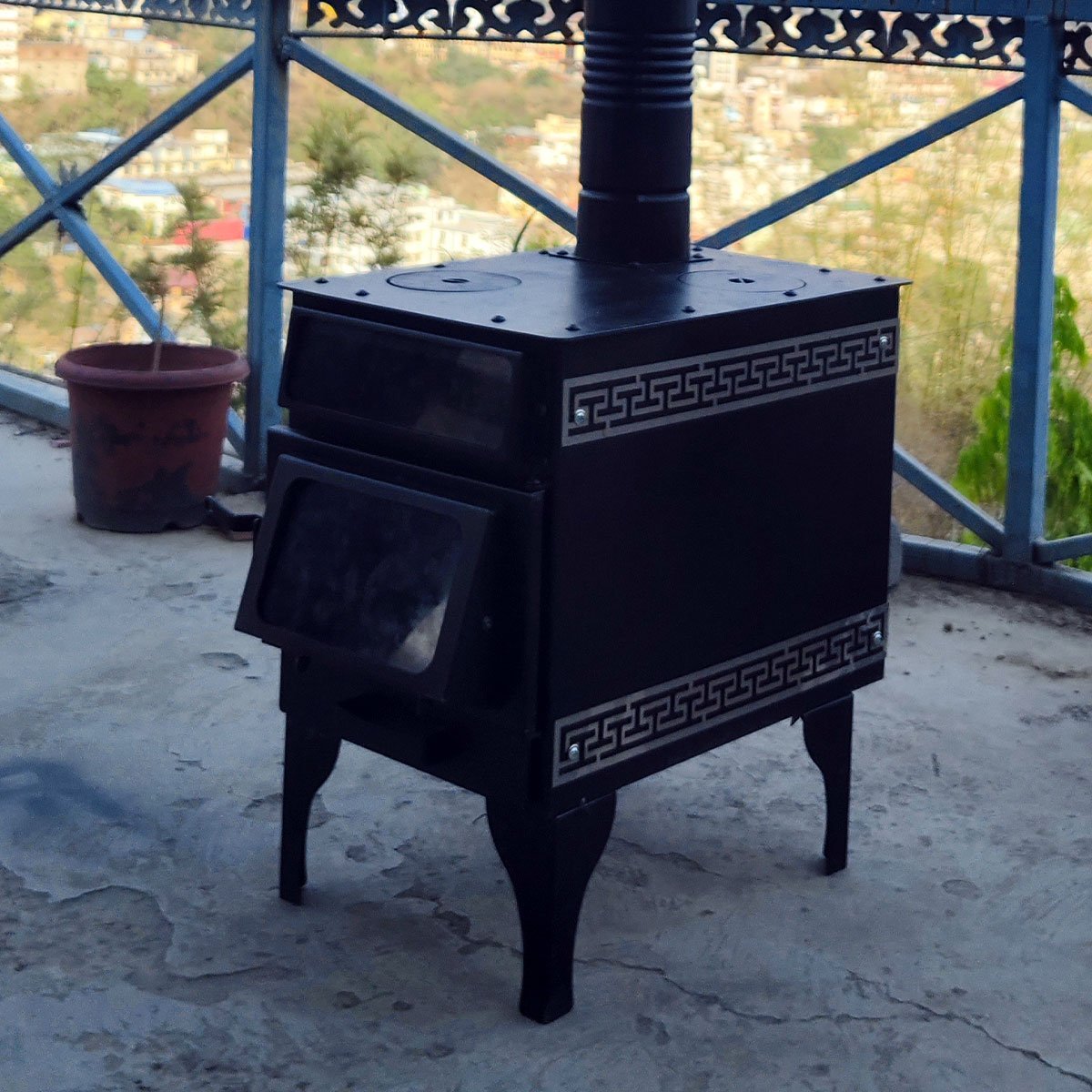
Care of eco stoves is essential for ensuring maximum efficiency and longevity. Regular cleaning is necessary to eliminate soot accumulation and prevent obstructions in the flue or outlets. Most brands suggest service the stove after each operation, with a more comprehensive inspection and servicing at least annually. This includes checking for evidence of deterioration, ensuring seals are intact, and verifying that all parts are functioning as designed.
Additionally, property owners should learn with basic troubleshooting techniques to manage frequent problems, such as smoke backup or poor draft. Keeping the user guide handy can provide guidance on what to do if challenges happen. Being vigilant with upkeep not only improves the performance of your eco stove but also helps to a healthier living setting by reducing potential harmful emissions.