

As the winter chill sets in and the days become shorter, many of us seek comfort and warmth inside our homes. One of the most charming ways to create a cozy ambiance is by introducing a wood burning stove into your living space. These timeless heating appliances not only provide a source of warmth but also add a charming aesthetic that can transform any room into a snug retreat. Whether you are already a fan of the flickering flames or thinking about making the switch from standard heating approaches, understanding the benefits and nuances of wood burning stoves can enrich your winter experience.
In this overview, we will explore all the essential details about wood burning stoves, from their history and design possibilities to practical tips for choosing, using, and maintaining them safely. With a range of topics that tackle common concerns and misconceptions, we aim to unpack wood burning stoves and highlight the many reasons they are becoming a popular choice in modern homes. Join us as we journey through the warmth and wonder of wood burning stoves, ensuring you make the most out of this enduring heating option.
Benefits of Wood Burning Stoves
One of the primary benefits of wood burning stoves is their ability to provide optimal heating. Differing from traditional heating methods that often depend on electricity or gas, wood burning stoves generate heat through the combustion of wood, allowing for significant savings on energy bills. They offer a reliable heat source, even during power outages, rendering them a practical choice for homeowners looking to maintain warmth in any living spaces.
An additional advantage is the pleasing environment a wood burning stove produces. The crackling sound of burning wood and the visually pleasing flames enhance a cozy atmosphere, ideal for winter evenings. This warmth and light can convert a cold space into a welcoming retreat, encouraging family gatherings and relaxation. A well-placed wood burning stove acts not only as a functional heating solution but also as a charming focal point in home decor.
Moreover, wood burning stoves can be less harmful to the environment compared to fossil fuel alternatives. When sourced responsibly, wood is a renewable resource. Many models feature advanced technologies that lower emissions and improve combustion efficiency, making them a cleaner option for heating. By utilizing wood as a fuel source, homeowners can contribute to sustainable practices while enjoying the benefits of a traditional heating method.
Selecting and Putting In Your Stove
When choosing a wood burning stove, it is important to think about the dimensions of your area and the stove's warming ability. Stoves are offered in various dimensions and heating levels, and selecting one that matches the size of the space you want to warm is crucial for effective heating and comfort. A stove that is too small may struggle to keep the room heated, while an oversized unit can overheat and result in inefficiencies. Be sure to review the manufacturer's specifications for heat output and match it to your room's needs.
Once you have chosen the right stove for your home, the next step is installation. Proper installation is critical for safety and effectiveness. It is recommended to employ a qualified professional who is familiar with local building codes and can ensure that the stove is vented correctly. The right chimney arrangement is necessary to avoid smoke inversion and to encourage good ventilation. Additionally, make sure that the stove is installed on a fire-resistant material and that there is adequate space around it to prevent any fire risks.
After installation, you should check your stove to ensure it operates properly. Familiarize yourself with the operational features and how to light and manage a fire safely. Take the time to read through the manufacturer's manual and safety protocols. This ensures that you will enjoy all the benefits a wood burning stove offers while reducing any risks. Savor the warm atmosphere and comfort that your new wood burning stove brings to your home.
Maintenance and Protection Advice
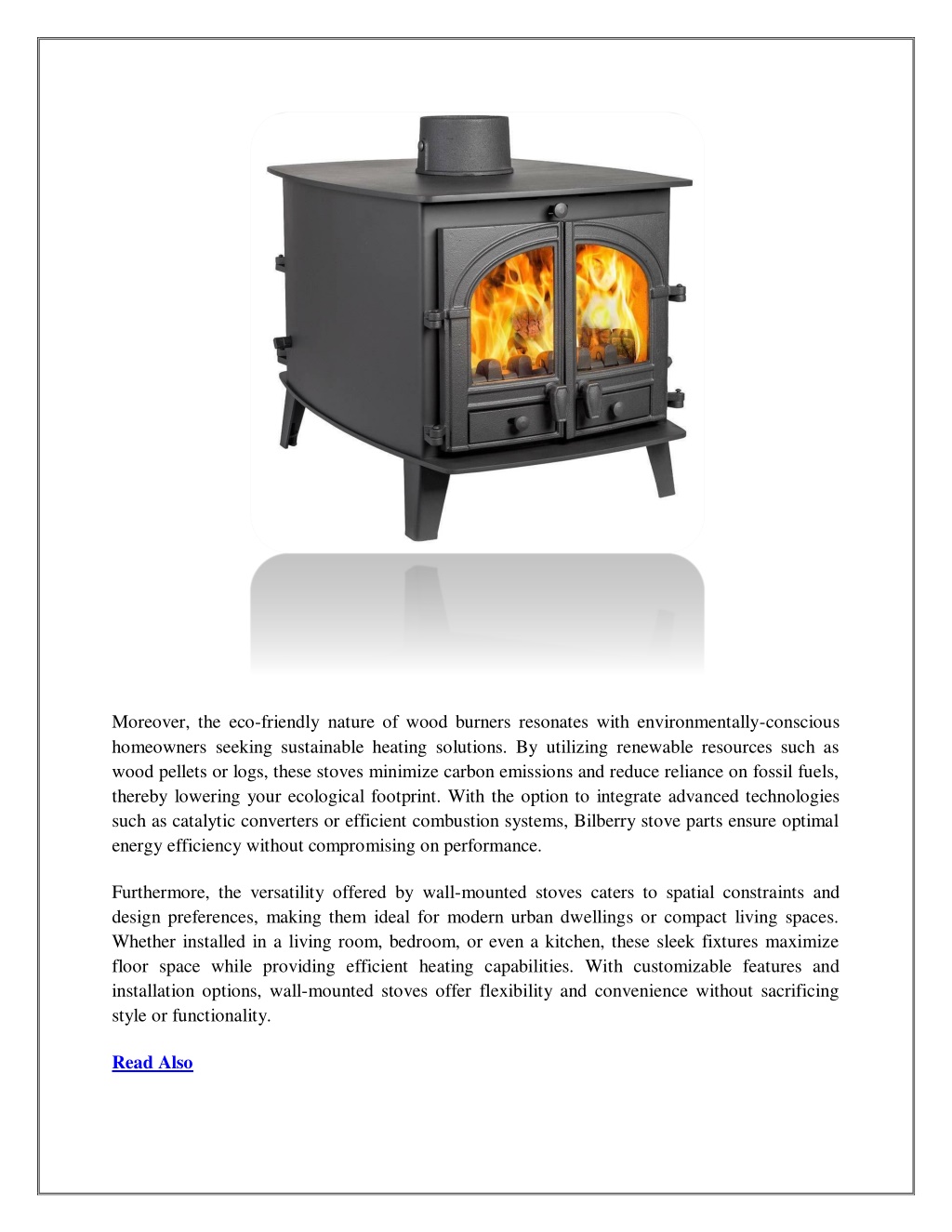
To make sure your wood burning stove operates efficiently and securely, regular maintenance is essential. Start with a detailed annual inspection of the chimney and flue to avoid creosote buildup, which can lead to chimney fires. It is also important to clean the stove itself, removing ashes and debris after each use. By maintaining the glass clean and checking the seals and gaskets, you enhance the stove's efficiency and lifespan, reducing the chances of smoke leakage into your home.
Safety should always be a top concern when using a wood burning stove. Install Click here near the stove and throughout your home to notify you of any hazardous leaks. Keep a fire extinguisher within reach and know how to use it in case of emergencies. Additionally, maintain a safe distance between your stove and any combustible materials, such as furniture or curtains, ensuring there is sufficient clearance for heat circulation.
Finally, familiarize yourself with proper wood storage to keep your stove operating safely. Store seasoned firewood in a moisture-free location outside, ideally off the ground to prevent moisture absorption. Avoid burning treated or painted wood, as these can release harmful chemicals into your home. By adhering to these maintenance and safety guidelines, you can savor the warmth of your wood burning stove while reducing risks.